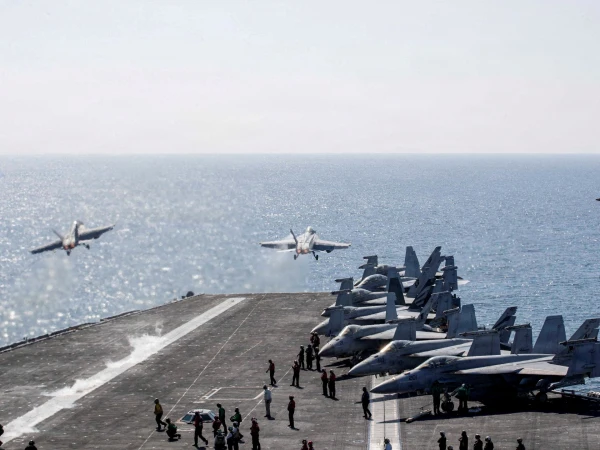
In a significant escalation of regional tensions, the United States military has confirmed that its naval blockade of Iranian ports has brought the nation's economic trade to a complete standstill. The operation, which involves over 10,000 personnel alongside a formidable array of warships and aircraft, represents one of the most comprehensive maritime enforcement actions in recent history.
According to U.S. Central Command, the blockade effectively severs Iran's primary maritime trade routes, halting the flow of goods both in and out of the country. This move is expected to have profound implications for Iran's economy, which relies heavily on seaborne commerce for oil exports and essential imports.
"The blockade is fully operational and has completely halted economic trade through Iranian ports," stated a military spokesperson. "Our forces are maintaining a vigilant presence to ensure compliance with international sanctions and regional security protocols."
The deployment includes advanced naval vessels and surveillance aircraft positioned strategically across key chokepoints in the Persian Gulf and the Strait of Hormuz. Military analysts note that this scale of operation underscores Washington's commitment to enforcing economic pressure while deterring potential retaliatory actions from Tehran.
Economic experts warn that the prolonged blockade could trigger severe shortages of goods within Iran, potentially exacerbating existing domestic challenges. The international community remains divided on the move, with some allies expressing support for the enforcement of sanctions, while others voice concerns about humanitarian impacts and regional stability.
As the situation develops, all eyes remain on diplomatic channels where efforts to de-escalate tensions continue behind closed doors.