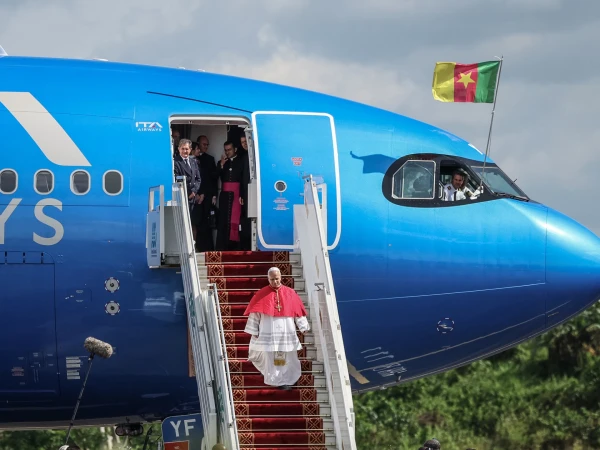
In a significant diplomatic development, the Vatican's peace initiative in Cameroon has drawn sharp criticism from the United States government, creating an unusual public rift between religious and political leadership.
Pope Leo's recent visit to the conflict-affected region of Cameroon was intended as a humanitarian mission promoting dialogue and reconciliation among warring factions. The pontiff's calls for peaceful resolution and condemnation of military escalation in regional conflicts have, however, been met with unexpected hostility from Washington.
"The Pope's misguided peace rhetoric undermines our strategic interests and emboldens hostile regimes," declared an unnamed senior White House official, echoing sentiments attributed to President Trump. "We cannot allow religious figures to interfere with necessary military actions that protect American security."
This rare public confrontation highlights growing tensions between the Vatican's traditional peacemaking role and the current US administration's more confrontational foreign policy approach. Diplomatic observers note that while previous popes have occasionally criticized US military actions, the current administration's direct response represents an escalation in rhetoric.
"When religious leaders speak for peace, they speak for humanity's deepest aspirations. We must never dismiss these voices, even when they challenge our political calculations," remarked Cardinal Giovanni Rossi, a Vatican spokesperson.
The Cameroon visit itself focused on humanitarian concerns, with the Pope meeting with displaced families and local religious leaders to discuss reconciliation efforts. Vatican officials emphasized that the mission was strictly humanitarian, aimed at supporting local peace initiatives rather than criticizing specific governments.
International relations experts suggest this incident reflects broader tensions in global diplomacy, where traditional institutions promoting dialogue face increasing pressure from nationalist political movements advocating more aggressive foreign policies. The outcome of this unusual public disagreement may influence how religious and political authorities interact on the global stage moving forward.