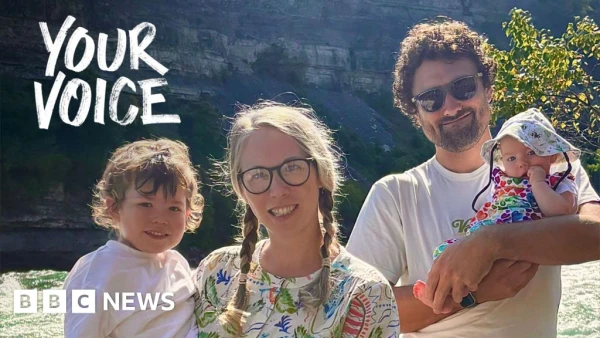
Charlotte Seddon, a mother of two from Connah's Quay, says the high cost of childcare in Wales has not only delayed her family's plans but also made them reconsider having more children. "We would have had the children closer together. We possibly may have had more," she said. "But the cost of childcare is the main concern."
According to the children's charity Coram, nursery costs for children under two in Wales are the highest in Great Britain. The average part-time nursery place now costs £166.33 per week, an 8% increase from 2025. Seddon, currently on maternity leave, already receives funded hours for her three-year-old son, but says the lack of similar support for younger children has left her family struggling.
She calculated that a mother in England, where free childcare for nine-month-olds is available, would have been £12,000 better off over the past two years. Seddon's husband is now considering leaving his job to care for their daughter once she returns to work, as nursery bills would exceed his income.
"Our nursery bill is about £350 a month for three days a week. Prior to that, it was £900 a month for both children," Seddon explained. "You just have to sacrifice for those first three years or save up beforehand."
The disparity is particularly stark near the border. Amy Doyle moved from Chester to Flintshire after becoming pregnant, unaware of the differences in childcare support. "It's a bit upsetting," she said. "We're all part of the United Kingdom, so you feel like it should be all for one."
Elouise Hill, who lives in England, acknowledged the "postcode lottery" affect. "When you live around the border, it really can feel that way. I feel incredibly fortunate," she said.
Childcare providers are also feeling the strain. Charlotte Forrester, who owns nurseries in Cardiff and Bath, says parents in Wales pay £500 more per month than those in England. She warned that expanding free hours in Wales could create funding shortfalls, leading to higher fees or reduced services. "If delivering a service costs £10 to £11 per hour and you receive only £5 to £6, the gap has to be paid by someone," she said.
David Goodyer, CEO of Early Years Wales, describes the system as "fragmented" and vulnerable to cost shocks like rising energy prices. Staffing is also a challenge due to low pay, with many workers leaving for retail or hospitality jobs. He acknowledged parents' calls for parity with England but emphasized the systems are not "like-for-like."
As the Senedd election approaches, political parties are making varying pledges on childcare, but for families like the Seddons, immediate relief cannot come soon enough.