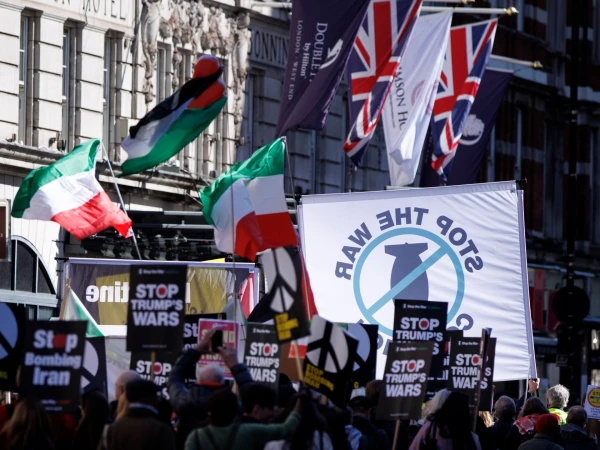
While global attention has focused on conflicts in Gaza and Ukraine, anti-war protests in Western nations have remained surprisingly muted regarding Iran's escalating regional aggression. This quiet response contrasts sharply with the vocal demonstrations seen for other international crises, revealing a complex web of factors shaping public activism.
Analysts point to several key reasons for this subdued reaction. First, many Western citizens are experiencing what experts call "protest fatigue" after years of continuous activism on multiple fronts. With ongoing conflicts in Ukraine and Gaza dominating headlines, there's limited capacity for sustained mobilization on additional issues.
Second, Iran's sophisticated propaganda and misinformation campaigns have created confusion about the regime's true intentions and capabilities. Unlike clearer-cut conflicts where aggressors are easily identified, Iran's proxy warfare and covert operations make the situation appear more ambiguous to casual observers.
Third, legitimate fears about retaliation have tempered public expression. Iranian dissidents abroad have faced credible threats, creating a chilling effect that extends to Western activists who might otherwise organize demonstrations.
"The combination of fatigue, fear, and disillusionment creates a perfect storm for inaction," explains Dr. Elena Rodriguez, a political sociologist at Oxford University. "When people feel their protests won't make a difference against a regime that appears impervious to international pressure, they're less likely to take to the streets."
This muted response has significant implications for international diplomacy. Without visible public pressure, Western governments face fewer constraints in pursuing diplomatic engagement with Tehran, even as the regime continues supporting militant groups across the Middle East.
The situation highlights a broader trend in contemporary activism: as global crises multiply, public attention becomes increasingly fragmented, with some conflicts receiving disproportionate attention while others fade into the background despite their geopolitical significance.