Opinion | Xi Jinping Is Planning for China’s Final Victory Over the U.S. - The New York Times
Skip to contentSkip to site indexSearch & Section Navigation Section Navigation
Search
Wednesday, May 13, 2026
Opinion|Xi Is Planning for China’s Final Victory Over the U.S.
https://www.nytimes.com/2026/05/13/opinion/xi-trump-summit-china-us.html
-
Share full article
-
177
Advertisement
Supported by
Guest Essay
Xi Is Planning for China’s Final Victory Over the U.S.
May 13, 2026
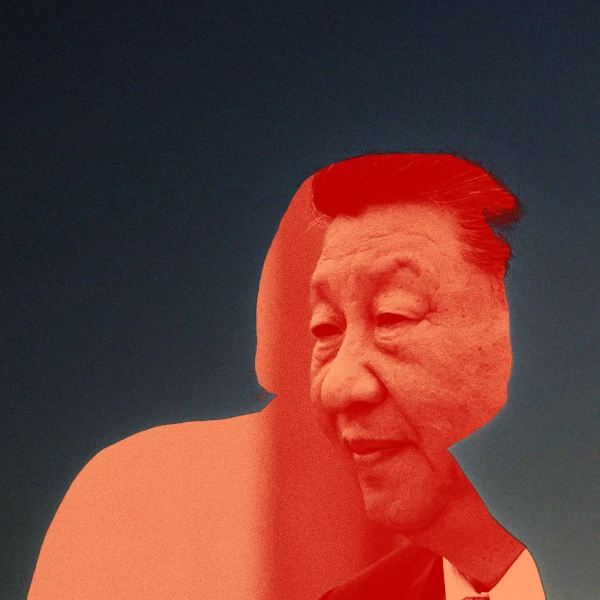
Credit...Illustration by The New York Times
Listen · 7:19 min
-
Share full article
-
177
By Julian Gewirtz
Mr. Gewirtz, a China historian at Columbia University, served in senior China policy roles in the Biden administration’s National Security Council and State Department.
When President Trump imposed 145 percent tariffs on China a year ago, Chinese state media urged the public to revisit a nearly 90-year-old essay by Mao Zedong. The Beijing Daily declared that the text was essential to understanding China’s responses to the “chaotic” attacks of the United States and why China will ultimately achieve a “final victory” against its geopolitical rival.
This required reading was Mao’s “On Protracted War,” a 1938 tract laying out his strategy for defeating the Japanese forces that had invaded China. At its core, it is a meditation on how China can come from behind in a life-or-death contest against a stronger adversary.
President Xi Jinping haspraised the strategic foresight, discipline and patience espoused by Mao in the essay, which has emerged as a guiding framework for how China aims to face the United States. He has pointed specifically to Mao’s description of a dynamic, long-term struggle unfolding in three phases: A weaker China initially plays dogged defense, followed by a period of stalemate between equally matched forces, eventually culminating in a powerful, victorious Chinese counteroffensive.
China’s leaders are through with playing defense and have shifted into Phase 2 of Mao’s theory.
The country is far stronger than it once was, in manufacturing, technology, military power and diplomatic influence. Despite a slowing economy and persistent tensions with the United States and its allies, it has become more resilient in the face of pressure from Washington. Mr. Xi easily outplayed Mr. Trump in last year’s trade confrontation, hitting back against U.S. tariffs with Chinese export controls on the critical minerals required for modern technologies, which forced Mr. Trump to step back.
Advertisement
Mr. Xi will provide a lavish welcome for Mr. Trump in Beijing on Thursday, but the Chinese leader almost certainly views the visit — and the broader current state of the relationship — not as a time for accommodation and lasting reconciliation, but as a temporary lull in a longer test of wills.
Mr. Xi’s main goal in this new period of strategic stalemate is buying time to increase China’s strength relative to that of the United States, while seeking to extract concessions from Mr. Trump when he can, including limiting U.S. tariffs and export controls, and halting Washington’s arms sales to Taiwan. Major concessions during Mr. Trump’s visit seem unlikely. Nonetheless, the U.S. president arrives with a weakened hand. The costly war with Iran, which forced Mr. Trump to delay his Beijing trip for several weeks and has battered his approval ratings at home, will no doubt make him eager to spin the visit as a win, giving Mr. Xi leverage.
Subscribe to The Times to read as many articles as you like.
Read 177 comments
-
Share full article
-
177
Related Content
Advertisement
Site Index
Site Information Navigation
To leave without signing in, use your browser's Back button.
Enjoy unlimited access to all of The Times.