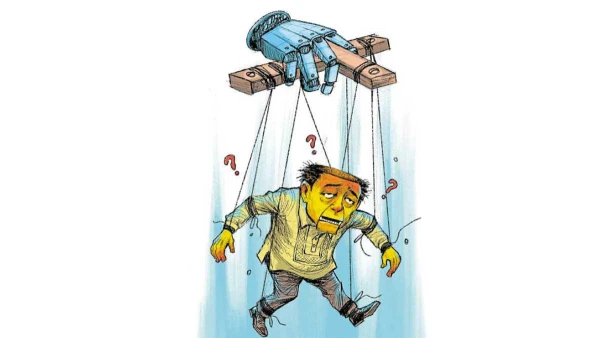
A preliminary MIT study led by researcher Nataliya Kosmyna suggests that reliance on artificial intelligence could be diminishing our cognitive abilities. The research indicates that AI usage may negatively impact brain connectivity and memory recall.
"Using artificial intelligence (AI) is costing you your brain power," the study concludes.
Researchers point to a growing trend where smartphones, social media notifications, and AI tools that outsource thinking are contributing to reduced focus, ADHD-like symptoms, and what they term "lazy thinking." This phenomenon compounds an existing shortage of critical thinking skills that predates the AI revolution.
According to the study, our brains operate on a "use it or lose it" principle—neural pathways that aren't regularly exercised become deactivated. The brain naturally conserves energy, so without consistent mental challenges, cognitive abilities can stagnate.
Dr. L Michael Hall, author of "Brain Camp," identifies several common patterns of nonthinking that contribute to this cognitive decline:
- Automatic Thinking: Learned information that becomes reflexive without accuracy checks
- Fast Thinking Without Thought: Mistaking pattern recognition for genuine intuition
- Borrowed Thinking: Mindlessly adopting others' ideas without questioning
- Superficial Thinking: Accepting vague or deceptive language without seeking details
"Most things in our culture are designed so that we don't have to think," the research notes. "Someone has already decided ahead what we should do, how we should think, what's acceptable and what's not."
This cognitive vulnerability makes individuals susceptible to misinformation, scams, and manipulation. The researchers emphasize that critical thinking serves as both a protective shield against deception and a tool for future-proofing our minds in an increasingly complex world.
While acknowledging that thinking errors are inevitable, the study encourages conscious effort toward what it calls "real thinking"—the ability to perceive reality accurately and choose appropriate interpretations and responses.