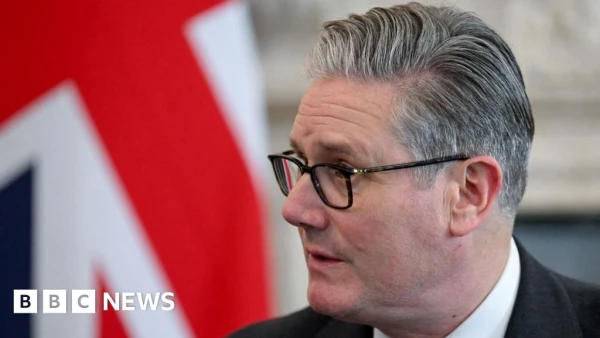
Prime Minister Sir Keir Starmer faces intense parliamentary scrutiny today as he addresses mounting questions about the controversial appointment of Lord Mandelson as US ambassador. The scandal has already claimed several high-profile resignations and threatens to undermine the government's credibility.
Sir Keir has repeatedly asserted that "full due process" was followed in Lord Mandelson's December 2024 appointment, but revelations about withheld vetting information have sparked a political firestorm. The prime minister expressed astonishment last week upon learning that Foreign Office officials had concealed red flags raised during the initial clearance process.
1. The Timeline of Knowledge
Sir Keir maintains he first learned about the vetting concerns on Tuesday last week, despite UK Security and Vetting officials having flagged issues to the Foreign Office in January 2023. According to the prime minister, Dame Antonia Romeo, head of the civil service, and Cabinet Office chief Cat Little received this information two weeks earlier but did not immediately inform him.
Opposition MPs question how the prime minister and his inner circle could have remained unaware for over a year, especially after the Independent published a story about Mandelson's failed vetting in September. The Conservatives forced disclosure of related documents through a parliamentary motion, revealing the extent of the concealed information.
2. Due Diligence Failures
Critics argue that Sir Keir's decision to appoint a political figure rather than a career diplomat to the sensitive Washington post warranted extraordinary scrutiny. Lord Mandelson's well-documented associations with convicted sex offender Jeffrey Epstein and his history of financial scandals—which previously led to two Cabinet resignations—should have triggered heightened vetting protocols.
Yet the first formal request for the UKSV summary form appears to have come from Dame Antonia only after her February appointment, raising questions about whether proper oversight was exercised during the initial appointment process.
3. Parliamentary Accountability
The Conservatives accuse Sir Keir of misleading Parliament when he told MPs in September that "full due process" had been followed, just before Lord Mandelson's dismissal. Under ministerial code, ministers must correct the parliamentary record "at the earliest opportunity" when inaccurate statements are made.
Sir Keir maintains he only learned the full facts last Tuesday and needed time to gather accurate information before addressing MPs. Opposition leaders argue he should have corrected the record immediately at last week's Prime Minister's Questions.
4. The Vetting Breakdown
Documents scheduled for imminent release are expected to detail how Lord Mandelson's clearance process failed. The Metropolitan Police initially blocked publication while investigating potential criminal activity, and the Intelligence and Security Committee must now balance transparency with national security concerns.
Former civil service head Sir Chris Wormald revealed in November that Mandelson wasn't formally interviewed for the ambassador role, instead completing a form focused primarily on financial conflicts. This process has since been revised, but questions remain about what due diligence was actually conducted.
5. Political Fallout
The scandal has already cost Sir Keir his US ambassador, chief of staff Morgan McSweeney, and Foreign Office head Sir Olly Robbins. Sir Olly faces the Foreign Affairs Committee tomorrow, where chair Dame Emily Thornberry says she feels "misled" by his previous testimony.
Key questions remain about whether Foreign Office staff faced pressure from Number 10 to overlook red flags, and whether Labour backbenchers will continue supporting their leader as damaging documents continue to emerge in coming weeks. The possibility of criminal proceedings adds another layer of uncertainty to this ongoing political crisis.