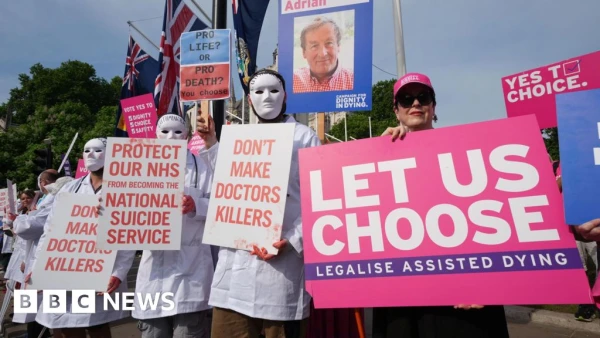
Proposed legislation to legalize assisted dying in England and Wales is set to expire as the final House of Lords debate concludes on Friday, leaving the bill with no time to become law before the parliamentary session ends next week.
The Terminally Ill Adults (End of Life) Bill, introduced by Labour MP Kim Leadbeater in October 2024, would allow adults over 18 with a life expectancy of six months to request medical assistance to end their lives, subject to safeguards. The bill cleared the House of Commons in November with a 55-vote majority and again in June with a 23-vote margin, but has stalled in the Lords due to over 1,200 proposed amendments—a record for a private member's bill.
Supporters accuse peers of using delaying tactics to block the legislation, calling it undemocratic for unelected Lords to thwart a bill approved by elected MPs. Opponents argue the amendments are necessary to protect vulnerable people.
The government remains neutral, treating the bill as a matter of conscience. However, after extra Friday sessions failed to resolve the amendments, the bill cannot be carried over to the next session. It must restart from scratch if reintroduced.
Former Lord Chancellor Lord Falconer has threatened to invoke the Parliament Act—last used in 2004 to ban fox hunting—to force the bill through if it passes the Commons again. Legal experts note this would be unprecedented for a private member's bill.
Supporters plan to seek a spot in the next Private Members' Bill ballot, but success is uncertain. The debate over assisted dying in the UK is far from over.