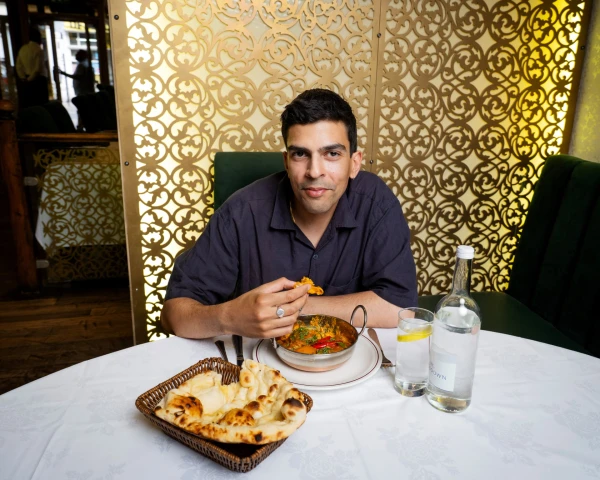
The balti, a curry born in Birmingham's Pakistani and Kashmiri communities, may soon receive official recognition as a living heritage dish under a UNESCO-backed scheme. But as the city struggles with economic decline, the authentic recipe risks being lost.
Zaf Hussain, whose family runs Shababs on Ladypool Road, says many restaurants now serve imitations. "People don't know what the real thing is any more," he explains. True balti is cooked and served in a thin steel bowl over high heat, creating a fast, intensely flavored curry. "Lots of people cook it in a frying pan then dump it into a bowl," he adds.
Campaigner Andy Munro, who has eaten a balti weekly since 1985, is leading the bid for living heritage status. "It was born here and needs to be attributed to the city," he says. "London's got jellied eels, but balti knocks that out of the water." He has written a book and founded the Association for the Protection of the Authentic Balti.
Invented in 1975 by chef Mohammed Arif at Adil's restaurant, the dish was a collaboration with Sikh metal engineer Tara Singh. The name comes from the Urdu word for bucket. In the 1990s, Birmingham's "balti belt" boasted dozens of restaurants. But rising costs, the pandemic, and the city council's 2023 bankruptcy have shuttered many, including Adil's in 2022.
"The city centre is like a bomb site—no one comes into town," says Zakerul Islam of Manzil's. With his children unwilling to take over, he fears his generation will be the last. Azhar Mahmood of Shahi Nan Kabab echoes the sentiment: "After Brexit and Covid, it's been a struggle."
Yet Munro remains hopeful. With endorsements from the West Midlands mayor and a Michelin-starred chef, he believes UNESCO status could revive interest. "We need to celebrate the places we have left and encourage a new generation."