A striking shift in living arrangements is unfolding across the UK, with new data revealing that more than one in three young men aged 20 to 35 now live with their parents. According to the Office for National Statistics (ONS), this figure has climbed to 35% in 2025, a significant rise from 26% recorded at the turn of the millennium.
Experts point to a potent combination of skyrocketing rental prices and prohibitive housing costs as the primary drivers behind this trend. While the rate for young women in the same age bracket is also increasing, it remains notably lower at 22%.
"If you are lucky enough to live with a mum, dad or grandparent who doesn't charge you much rent, then you can build up money even on the minimum wage," says Nathan, a 24-year-old from Manchester who works night shifts maintaining trains.
Nathan, who resides with his father in a council house, has managed to accumulate £50,000 in savings by avoiding the financial drain of independent living. He emphasizes a frugal lifestyle, preparing homemade meals for work and limiting social spending.
"My dad managed to buy a house at 21, but that was just how it was back then," he reflects, highlighting the stark contrast between generations.
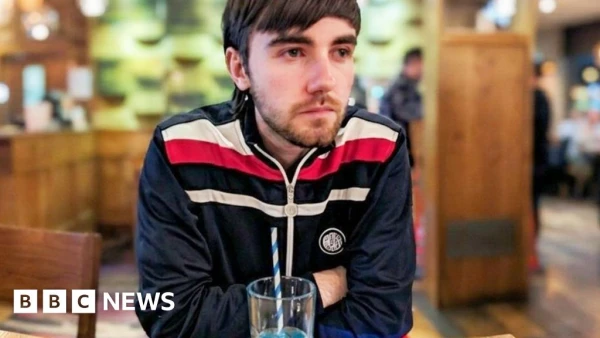
The financial pressures are echoed by Harry Turnbull, 22, who moved back in with his mother in Surrey to complete his studies. "Everything is so, so expensive and prices have just gone up massively," he states. "I think young people should have more of an option to live independently but, at the moment, that's just not possible."
This phenomenon coincides with broader economic anxieties. Separate ONS research identifies the rising cost of living as the most critical issue facing adults today, surpassing concerns about the NHS and the general economy. Surveys indicate that more than two-thirds of adults reported increased living costs in early 2026, primarily due to food and fuel price hikes.
Furthermore, the data paints a picture of financial fragility for many. Between January and March of that year, nearly a quarter of adults said they would be unable to cover an unexpected £850 expense, and 3% reported having run out of food without the means to buy more.
The ONS also notes evolving household structures. Approximately 30% of UK households consisted of a person living alone in 2025, with almost half of those individuals aged 65 and over. Meanwhile, the traditional model of a married couple with children is becoming less common as other family types gain prevalence.
This convergence of high housing costs, economic strain, and shifting social norms is reshaping the trajectory of early adulthood, compelling a growing segment of young men to delay or forgo independent living—a trend with profound implications for personal finance, family dynamics, and the housing market.