If every summer has a trending drink, then 2026 promises to be the season of the chilled red. In news that our European neighbours, who have long been doing this, will roll their eyes at, Britons have discovered the delights of a cold glass of red wine. No more serving at room temperature, or warming it by the fire (or radiator) as if you're the host of a country house gathering: this year if your pinot noir isn't in an ice bucket, consider it social death. The Times reports that gen Z drinkers are driving the trend, with Ocado finding that 56% had drunk chilled red wine, or wine served over ice, in summer compared with 35% of the wider population.
"We tend to serve wine way too warm in this country, and red wine particularly," says the wine expert Tom Gilbey. "It accentuates the alcohol and makes it taste like soup. Actually almost every wine is better served slightly cooler than we normally drink it, and some red wines are beautiful when they're really quite cool." The optimum temperature is around 10C (50F). "So 20 minutes in the fridge, or 10 to 15 minutes in an ice bucket. You don't want to serve any wine too, too cold, but it's really refreshing."
Chilling accentuates the fruit, "and makes the acidity slightly brighter", so it works best with lighter reds. "That would include beaujolais, a lot of pinot noir, some of the southern Italian wines. Some might argue with me, but I think primitivo is really good served slightly cool."
All this is a lot to take in, especially after the claim that some of us are enjoying chocolate at the wrong temperature too. "We like foods when they make some noise," Charles Spence, a professor of experimental psychology at the University of Oxford, recently declared. "You get a better snap when you break a fridge-cold bar."
What's more, he said: "Lower temperatures can also dull extreme flavours such as bitterness and sweetness, helping to create a more refreshing, balanced bite where the creamy mouthfeel takes centre stage."
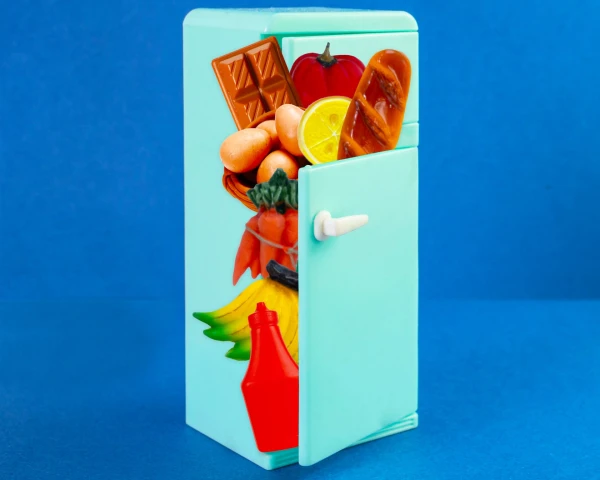
This means, of course, that two more items have been dragged into the fridge-or-cupboard conflict. Yours may already be a household where domestic disputes have been caused by the presence – or not – of a ketchup bottle in the fridge; where wondering what to do with your eggs is a cause of constant mild anxiety. Here, food experts deliver some cold truths.
Butter
You would think, says Kate Hall, a home food waste expert and author of The Full Freezer Method, that since butter is a dairy product, it always needs to be in the fridge. "It's different, because it's so high in fat and so low in water," she says. "If you are wanting butter to spread, and it's not too warm outside, it's fine to keep it in a butter dish on the counter." It can be a good idea to keep only what you're likely to use within the next few days out and refrigerate or freeze the rest. In warm weather, it goes back into the fridge. Spreadable is good; pourable not so.
Bread
Hall often hears of people keeping their bread in the fridge. It's a bad idea, she says. It will take longer to get mouldy – but less time to become stale. "You might get away with it if you're having it for toast, but for sandwiches, it's better to keep bread on the counter or the cupboard. Or freeze it while it's still fresh, and then defrost slices as they're needed."
Eggs
Opinions remain divided. In the UK, it's not essential to refrigerate eggs "because of how we handle eggs at the farm level", says Gabriel Bray, a development manager of the consultancy Good Food Studio. In the US, for instance, eggs are refrigerated because they're washed, taking away the outer protective layer. More than 90% of British eggs come under the Red Lion food safety scheme, which covers the whole production chain. "Without that stamp, I think it's best to refrigerate," says Bray.
A lot also depends on the temperature, especially in your kitchen. The official advice from the British Egg Industry Council is to keep eggs below 20C (68F), and so the fridge is usually the best place. In our kitchens, particularly small ones, the temperature can fluctuate, in hot weather or with radiators on full blast, or even just with an oven or tumble dryer in use. "Because the shell is porous, bacteria can travel into the egg," says Hall. "It's not a massive risk, but if you keep them in the fridge, they will last longer." Keep them in the egg box, though, she adds, not in those little egg holders some fridges come with – the porosity of the shells mean they absorb odours.
Olive oil
Some people keep their olive oil in the fridge, thinking it keeps it fresher for longer – but Yacine Amor, the founder of the Artisan Olive Oil Company, says this isn't the case. "Placing it in the fridge really doesn't give any benefits in terms of preserving it, and if it's done repeatedly, it may actually reduce the flavour." Below 10C, olive oil tends to solidify. "What is key to preserving olive oil in the best condition is to avoid light, heat and oxygen. Choose a bottle of olive oil that matches your consumption, so ideally once you open a bottle, the best use would be within three months. Light has a significant impact on the quality, and that's why, in general, high-quality olive oils are sold in dark glass. We recommend storing them in a cupboard away from any source of heat and light."
Tomatoes
Do what people do in the Mediterranean, says Bray, and keep tomatoes out of the fridge for as long a possible. "They're quite sensitive, so the fridge can affect the texture and the flavour. Once they're ripe, best to chill them, and then you can extend the shelf life. You're preventing that spoilage at their best, instead of ruining them when you've just bought them from the shop."
Bananas
"Bananas, like most tropical fruits, are affected by the cold," says Bray. Putting them in the fridge will affect the peel, turning it grey, but this is "a visual look more than anything" – they should still be nice enough inside. If you need another day or two out of them, refrigerate, says Hall, and ignore the look. "But if they are on the counter and they're very ripe, and I'm not going to get through them all, I freeze them, and then use them in smoothies or porridge, or to make ice-cream."
Citrus fruits
Dominique Ludwig, a nutritionist and author of No-Nonsense Nutrition, keeps lemons and limes in the fridge. It's the same with leafy greens, and most fruit and vegetables. "Except onions and garlic – it's too moist in the fridge, and that can make them go mouldy." The degradation of nutrients will slow in cooler conditions, she says, "because it slows down the enzyme activity. Cold temperatures should help to retain more of [nutrients such as] vitamin C and folate." Cold also helps preserve the beneficial compounds known as polyphenols.
Condiments and sauces
"People find this really controversial, and are very passionate about it," says Hall. The advice on the back of bottles often says 'refrigerate after opening', but many condiments like ketchup, mustard, and soy sauce are "pretty shelf-stable" due to their high acidity, salt, or sugar content. However, for optimal flavour and longevity, refrigeration is recommended, especially for mayonnaise, salad dressings, and opened jars of pesto or salsa. When in doubt, follow the label – but don't stress if you forget the ketchup overnight.