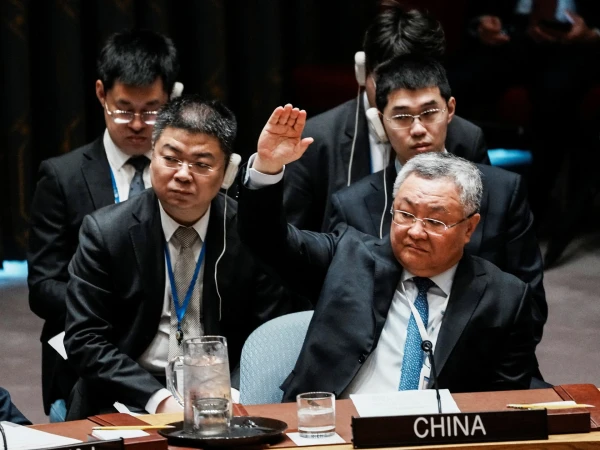
As tensions escalate in the Middle East, China has emerged as a strategic player by maintaining economic ties with all major stakeholders in the region. Unlike the United States, which has taken a more confrontational approach, Beijing has pursued a nuanced diplomatic strategy that prioritizes stability and economic continuity.
China's approach centers on leveraging its established economic relationships with the United States, Israel, Iran, and Gulf nations to protect its substantial investments and trade interests. This multifaceted engagement allows China to position itself as a neutral mediator while avoiding direct involvement in regional conflicts.
"China's primary objective is to ensure the security of its economic stakes," noted one regional analyst. "By maintaining open channels with all parties, Beijing can advocate for de-escalation while continuing business as usual."
This diplomatic balancing act has enabled China to expand its influence in the Middle East without alienating key partners. While the United States has pursued sanctions and military posturing, China has focused on economic diplomacy, offering an alternative model of engagement that emphasizes mutual economic benefit over ideological confrontation.
The strategy appears to be paying dividends as China continues to secure energy contracts and infrastructure projects across the region, even as geopolitical tensions persist. This approach demonstrates how major powers can pursue national interests through economic engagement rather than military intervention, potentially reshaping traditional power dynamics in one of the world's most volatile regions.