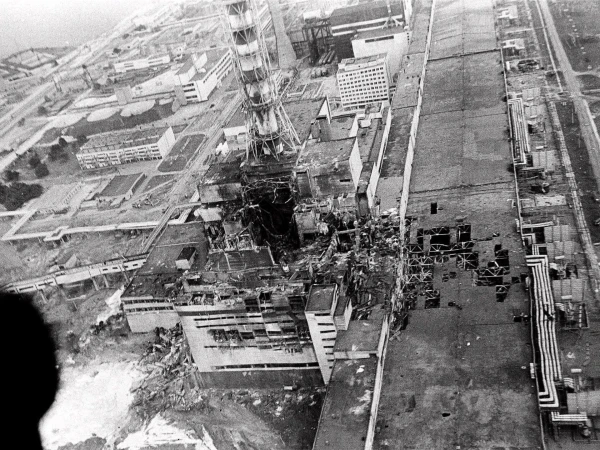
Forty years after the Chornobyl nuclear disaster, a radiation survivor and expert, an elderly returnee, and a wildlife researcher share their stories of life in the exclusion zone, now also scarred by Russian drone strikes.
"The zone has always been a place of contradictions—death and rebirth, silence and danger," says Dr. Olena Pravdyva, a radiologist who was among the first responders in 1986. "Now we have a new threat: war."
Despite ongoing contamination and recent attacks by Russian drones, a small community of settlers has returned to their ancestral villages. One such returnee, 82-year-old Mykola Petrenko, moved back to his family home in 2018. "I know the risks, but this is my home," he says, tending a small vegetable patch. "The radiation is nothing compared to losing your roots."
Wildlife has also made a surprising comeback. Researcher Oksana Lysenko monitors Przewalski's horses, introduced in 1998. "The horses thrive here because humans are scarce," she explains. "Yet the drone attacks have disrupted their habitat, scattering herds and raising stress levels."
The exclusion zone remains a haunting landscape, but also a testament to resilience. As Dr. Pravdyva puts it: "Chornobyl teaches us that even in the face of catastrophe, life finds a way."