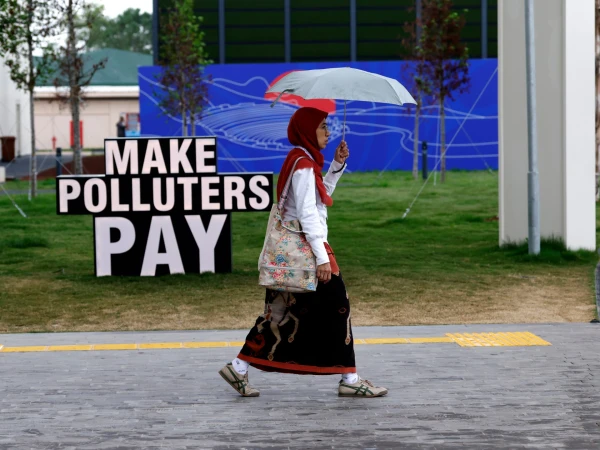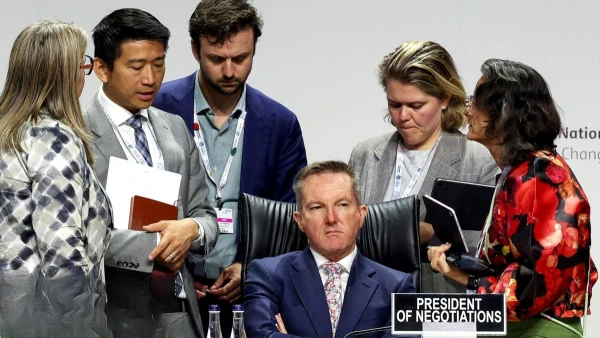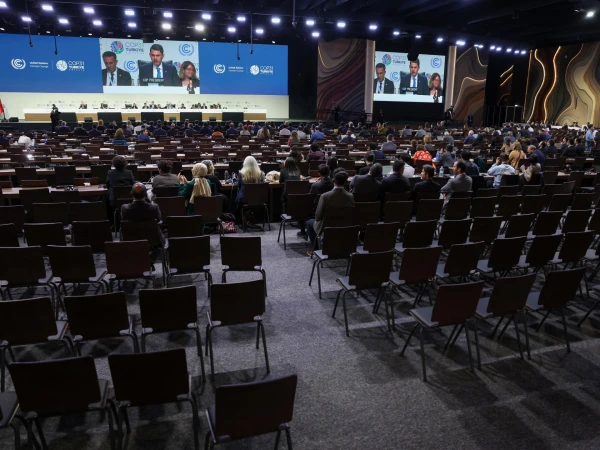
The recent collapse of negotiations at COP31 has laid bare the deep structural flaws of international climate diplomacy. Critics argue that the current diplomatic framework systematically protects fossil-fuel interests while shifting the devastating financial and human costs onto the world's most vulnerable nations.
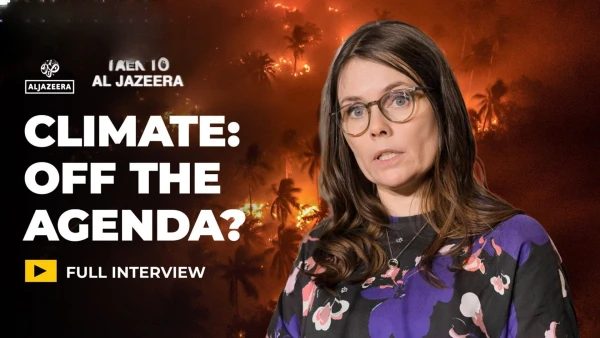
Despite mounting scientific warnings and escalating climate disasters across the globe, consensus-driven summits continue to stall under the weight of competing geopolitical agendas and powerful industry lobbying. Observers note that until the process shifts to prioritize direct accountability and actionable mandates over voluntary pledges, international climate summits will remain toothless in the face of accelerating environmental breakdown.