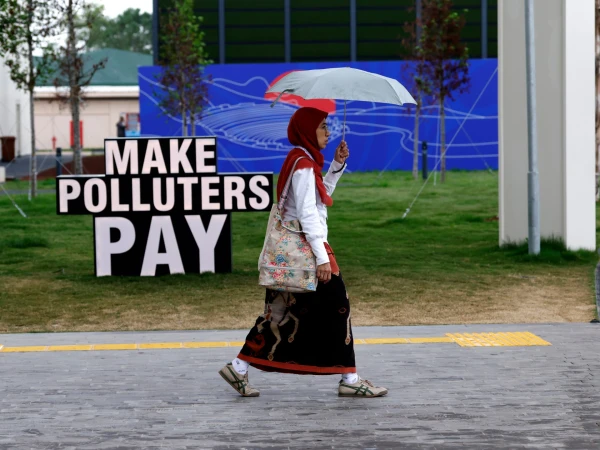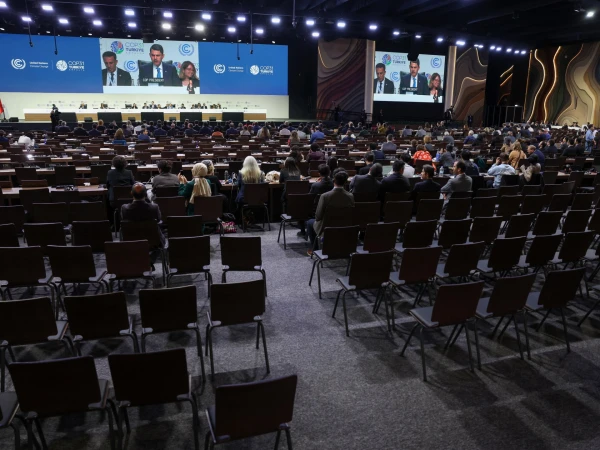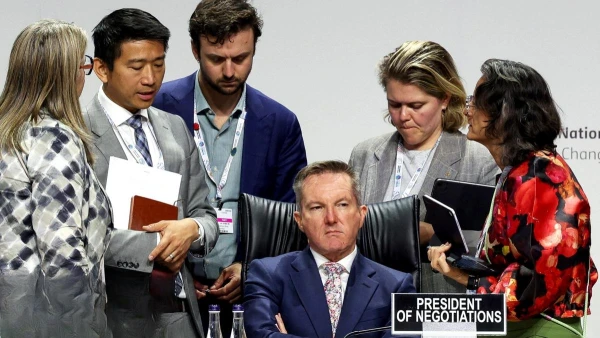
The 2026 COP31 summit in Antalya, Turkey, was marked by stark climate realities—glacier collapses, record heat across Europe and raging wildfires in Asia—yet the negotiations ended without a core political accord, the Antalya Pacts. Despite the joint hosting by Australia and Turkey, deep geopolitical divisions prevented a consensus.
Key Takeaways
- The 1.5°C ceiling remains out of reach The draft text acknowledged that the world is on track to overshoot the 1.5°C threshold set by the 2015 Paris Agreement. UK Energy Secretary Miatta Fahnbulleh summed up the mood at the close of talks:
"This COP sought to confront hard truths – that global warming is set to overshoot 1.5°C and that we must act with even more urgency to reduce emissions." The document also introduced the concept of carbon‑dioxide removal (CDR), a first for a COP final draft, though practical pathways remain debated.
-
Fossil‑fuel language stalls the Antalya Pacts Nations could not agree on wording that would explicitly curb fossil‑fuel use, a promise made at COP28 in Dubai. Rich countries also failed to nail down the exact financial boost for climate‑adaptation funds in developing nations, despite a prior commitment to triple the $40 billion figure by 2035. Australian Minister Chris Bowen warned that the geopolitical climate had become “the most complicated and fraught… in living memory.”
-
Some progress amid the disappointment While the central pact fell apart, negotiators hammered out 164 subsidiary items. A notable win was the decision to channel revenues from a global carbon‑credit system into adaptation projects for vulnerable countries. Delegates also endorsed a “just transition” framework to safeguard workers as economies shift toward clean energy.
-
Renewable energy momentum is unstoppable The International Energy Agency’s 2026 World Energy Outlook highlighted that energy security—spurred by disruptions in oil and gas supplies through the Strait of Hormuz—has accelerated the shift to domestically generated electricity. Solar, battery storage and electric‑vehicle costs continue to fall, making renewables increasingly competitive without relying on treaty outcomes.
-
Business and investment surge under the Action Agenda The COP’s Action Agenda, a platform for private‑sector commitments, showcased fresh electrification projects. IEA chief Fatih Birol told the BBC, "We are not entering the age of electricity, we have arrived at the age of electricity," emphasizing the alignment of climate policy with energy security.
Despite the setbacks, experts argue that formal negotiations still matter. Jennie Dodson, senior director at the World Business Council for Sustainable Development, noted that while markets drive the transition, governments remain essential to facilitate and regulate the shift.
The failure to secure the Antalya Pacts raises fresh doubts about the COP process’s ability to deliver decisive climate action, but the relentless growth of renewable energy and growing private‑sector engagement suggest that momentum may continue outside the negotiating hall.