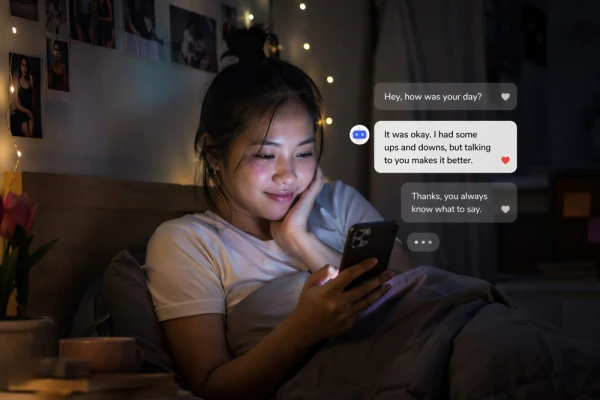
In the bustling cities and quiet provinces of the Philippines, a quiet revolution is unfolding among the nation's youth. Rather than turning solely to friends or family, many young Filipinos are now seeking companionship from an unexpected source: artificial intelligence.
Recent trends show a significant uptick in the use of AI-powered chatbots and virtual companions across the archipelago. These digital entities, accessible through smartphones and computers, are providing conversation, emotional support, and even simulated friendship to a generation navigating the complexities of modern life.
"Sometimes it's easier to talk to an AI than to another person," shared 22-year-old Maria Santos from Quezon City. "There's no judgment, no expectations—just someone who listens when I need to vent about work or relationships."
This phenomenon isn't isolated to urban centers. In rural areas where internet connectivity has improved dramatically in recent years, young people are similarly embracing these digital companions. The appeal appears to cut across socioeconomic lines, with both premium subscription services and free applications gaining popularity.
Psychologists observing this trend note several contributing factors. The Philippines has one of the youngest populations in Asia, with approximately 30% of citizens aged 10-24. This demographic is digital-native, comfortable with technology, and often facing unique pressures including academic stress, employment challenges, and the lingering social impacts of recent global events.
Dr. Elena Cruz, a social psychologist at the University of the Philippines, explains: "What we're seeing is a generation seeking connection in a world that feels increasingly fragmented. Traditional support systems remain important, but AI offers something different—constant availability without the complexities of human relationships."
The technology itself has evolved rapidly. Today's AI companions can remember previous conversations, adapt their responses based on user preferences, and even develop "personalities" that users find comforting. Some applications allow customization of the AI's appearance, voice, and conversational style.
However, experts caution about potential downsides. While AI companionship can provide temporary relief from loneliness, it cannot replace the depth and reciprocity of human connection. There are also concerns about data privacy, emotional dependency, and the commercial motivations behind many of these applications.
As this trend continues to grow, it raises important questions about the future of social interaction in the Philippines and beyond. Will AI companions become a permanent fixture in the social landscape, or are they merely a transitional technology? For now, thousands of young Filipinos continue their daily conversations with digital entities, finding in lines of code what they sometimes struggle to find elsewhere: a listening ear, a comforting word, and the illusion of connection in an increasingly disconnected world.