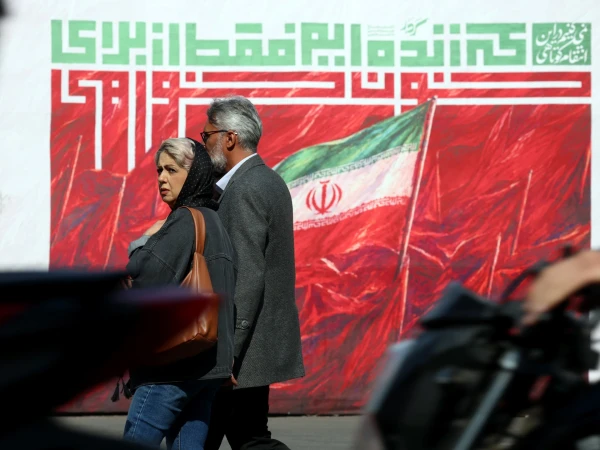
High-stakes diplomatic efforts are underway to de-escalate the ongoing US-Israel conflict with Iran, a war that has triggered a severe global energy crisis. According to Iranian Foreign Minister Abbas Araghchi, Tehran is actively collaborating with Qatari mediators on a proposal that could see the critical Strait of Hormuz reopened within just two days.
However, even as back-channel communications gain momentum, officials from both Washington and Tehran are simultaneously bracing for a potential new wave of military escalation.
The Path to Reopening the Strait
Iranian delegates recently traveled to Doha to hash out the conditions for reopening the vital global shipping chokepoint and resuming broader peace negotiations. Araghchi stated that Tehran's willingness to move forward is contingent on Washington meeting several key demands.
These stipulations include the removal of newly imposed US sanctions, the restoration of oil waivers previously granted in June, a scaled-back American military footprint in the Middle East, official recognition of new shipping corridors outlined by Iran and Oman, and a comprehensive ceasefire across all combat zones—including an end to Israeli military operations in Lebanon.
Pakistani and Qatari diplomats continue to facilitate these discussions, building on their previous roles in brokering a short-lived memorandum of understanding over the summer.
A Shift in Washington's Tone
A major catalyst for the renewed diplomatic activity appears to be a recent letter from US Vice President JD Vance addressed to Iranian security chief Mohsen Rezaei. Both Rezaei and Araghchi characterized the correspondence as a "positive step," noting a distinctly more conciliatory tone compared to prior communications from US President Donald Trump.
US Secretary of State Marco Rubio confirmed the ongoing, Qatar-led talks, stressing that diplomatic channels have remained open throughout the conflict. "If there is a diplomatic solution, we would be open to it," Rubio stated, though he cautioned that no firm timeline for an agreement exists.
Sabers Continue to Rattle
Despite the diplomatic maneuvering, the threat of severe military conflict continues to cast a long shadow. President Trump acknowledged that negotiations are "going fine," but cast doubt on their reliability. The US commander-in-chief explicitly warned that the American military still has several unresolved targets to "take care of," heavily implying a potential strike on "Pickaxe Mountain," a suspected Iranian underground nuclear complex. Rumors continue to circulate that Washington and its Gulf allies are preparing for a brief but intense round of strikes shortly after the US midterm elections on November 3.
Tehran is matching Washington's martial rhetoric. Supreme Leader Mojtaba Khamenei has directed military commanders to expand their target lists to encompass a vast array of American and Israeli assets. Rezaei issued a stark warning that Iran could deploy "new weaponry" in any future confrontation and suggested the government is re-evaluating its nuclear doctrine, which currently forbids the development of nuclear arms.
Araghchi echoed these sentiments, asserting that the Iranian armed forces are at an unprecedented level of readiness and would launch an immediate, geographically boundless retaliation against any US or Israeli aggression.
Adding to the volatile mix, Israel is reportedly bracing for further hostilities. Following its initial entry into the conflict alongside the US earlier this year, Israeli leadership is reportedly readying for a potential new phase of warfare that could ignite immediately following the upcoming American elections.