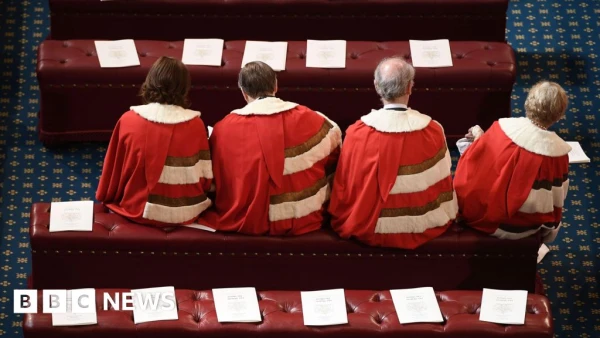
The centuries-old tradition of hereditary peers sitting in the House of Lords has officially ended, as the last 92 members lost their seats on Wednesday. This marks the final chapter of a reform process that began a quarter of a century ago, when the number of hereditary peers was first slashed from 759 to 92 in 1999.
Under the new law, only 15 Conservatives and a handful of crossbenchers—those not affiliated with any political party—will be reappointed as life peers to ensure continuity. They will join approximately 700 existing life peers and 26 Church of England bishops in the upper chamber.
Lord Forsyth of Drumlean, the Lord Speaker, paid tribute to the departing peers in a farewell reception, stating: "For close to a thousand years, hereditary peers and their families have helped to shape our institutions, defend our country, preserve our culture and strengthen that spirit of public service without which no nation can flourish."
He praised their "distinctive qualities," including independence of mind and a willingness to resist passing fashions. However, not everyone was sentimental. Lord Strathclyde, a departing Conservative hereditary peer, described the day as "sad and miserable" and criticized the move for shifting power too far toward political appointees.
The government has pledged further reforms, including introducing a participation requirement and a retirement age for Lords members. Select committee reports on these changes are expected later this year.
Lord Salisbury, a retired Tory peer who negotiated the 1999 compromise, expressed mixed feelings. While sentimental about the end of a tradition dating back to the 13th century, he reiterated his long-held belief that the second chamber must be reformed to earn public respect. He suggested that councillors nominated by local authorities could sit in the Lords, providing a democratic balance without challenging the authority of the House of Commons.