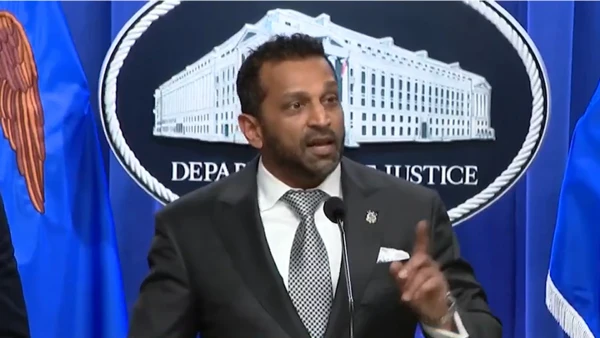
FBI Director Kash Patel has launched a fierce counterattack against media outlets he labels the 'fake news mafia,' filing a massive $250 million defamation lawsuit following a report that alleged he struggles with alcohol abuse.
Patel's legal action, filed on Monday, targets The Atlantic magazine over an article published Tuesday that questioned his conduct and suggested he has an alcohol problem. In response, Patel issued a defiant statement, declaring, "I work hard, I don't work drunk!!!"
The FBI director's lawsuit represents one of the most aggressive legal responses by a high-ranking government official against media organizations in recent memory. Patel specifically accused The Atlantic of publishing false information designed to damage his reputation and undermine his leadership at the nation's top law enforcement agency.
In his public remarks, Patel didn't mince words, stating: "This is exactly what I mean when I talk about the fake news mafia. They create stories out of thin air, damage reputations, and then act like they're doing journalism."
The Atlantic's article reportedly detailed concerns about Patel's alleged excessive drinking and its potential impact on his duties as FBI director. The magazine has not yet publicly responded to the lawsuit.
Legal experts note that defamation cases involving public figures face particularly high legal hurdles, requiring proof of actual malice—knowledge that the statements were false or reckless disregard for the truth. Patel's $250 million demand signals his determination to pursue the case aggressively despite these challenges.
This confrontation comes at a sensitive time for the FBI, which has faced increased scrutiny over its operations and leadership in recent years. Patel's combative response marks a significant escalation in tensions between government officials and media organizations, raising questions about how such disputes might affect public trust in both institutions.
The case is expected to draw significant attention as it progresses through the legal system, potentially setting precedents for how public figures respond to critical media coverage in the future.