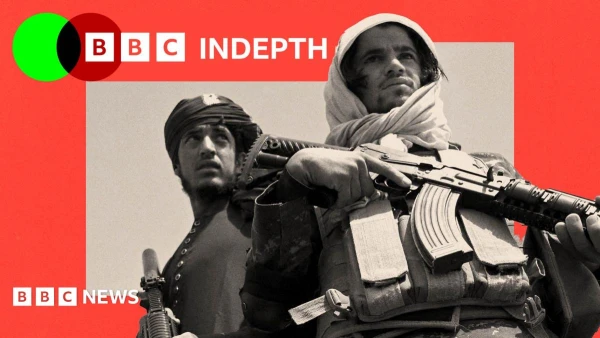
Introduction to a Crisis
Five years have passed since the Taliban took control of Afghanistan, and the question still lingers: does the West have any influence over the situation in the country? In a small village south of Kabul, a group of young women are working in a jam-making workshop, a rare space where they can gain skills and employment in a country that has significantly restricted women's rights.
A Glimmer of Hope
The workshop, run by Najia, a 47-year-old entrepreneur and mother of nine, provides a glimmer of hope for these women. However, even this initiative is facing challenges due to recent rules requiring women to have men accompany them to market and represent their products at trade fairs. The Taliban justifies these rules by claiming that women are not adhering to proper hijab or head covering.
The International Community's Dilemma
The international community is divided on how to engage with the Taliban to bring about meaningful change. While some advocate for isolation, others believe that engagement is necessary, considering that nearly half of the Afghan population relies on foreign assistance for survival. The country is facing multiple crises, including an economic downturn, natural disasters, and clashes with neighboring countries.
A Shift in Approach
The Taliban, now more confident and in control, are collecting tax revenues and signing deals with various countries, including China, Russia, and the UAE. However, they still face international sanctions due to concerns over terrorism and human rights. The focus has shifted from seeking formal diplomatic recognition to establishing de facto recognition through economic deals and diplomatic engagements.
The Need for a Different Approach
According to a former senior UN official, the West is losing the argument over recognition, and the Taliban are no longer as concerned about formal recognition as they were initially. The official suggests that the international community needs to change its approach to engage with the Taliban more effectively.
Seeking a New Path Forward
The Taliban's main spokesman, Zabihullah Mujahid, emphasizes the need for closer diplomatic engagement to make progress in the relationship between the Taliban and the international community. This sentiment is echoed by Mullah Abdul Salam Zaeef, a founding member of the Taliban, who believes that pressure alone will not work and that a different kind of relationship needs to be forged.
The UN's Role in Afghanistan
UN officials believe that their presence in Afghanistan makes a difference, despite the challenges. They point to progress on issues such as prisoner treatment and efforts to improve humanitarian access. The UN remains committed to staying the course, acknowledging that engagement is slow and progress is incremental, but a stalled process is better than no process.
Conclusion
The situation in Afghanistan remains complex and challenging. As the international community seeks to find a way to influence positive change, it must consider a new approach, one that involves engagement and dialogue rather than isolation. The women in the jam-making workshop, and many like them, are waiting for a change that will allow them to participate fully in their country's future.