The UK's inflation rate has climbed to 3.3% in the year to March, marking a significant increase from 3% the previous month, according to the Office for National Statistics (ONS). This uptick is largely attributed to soaring fuel prices, the sharpest monthly rise in nearly three years, driven by the ongoing conflict between the US-Israel alliance and Iran.
"The rise was largely due to increased fuel prices, while airfares and food also contributed," stated the ONS, highlighting the first official glimpse of how the Middle East turmoil is impacting British household costs.
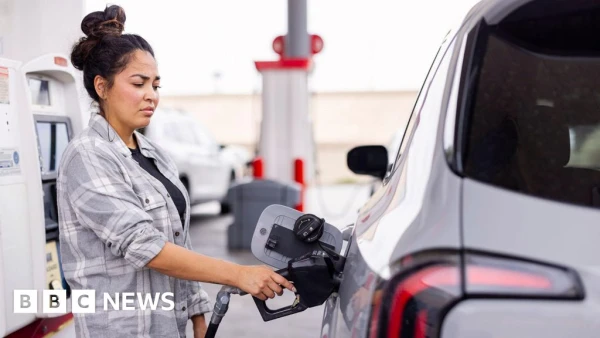
Motor fuel prices surged by 8.7% month-on-month, the most substantial jump since June 2022, shortly after Russia's invasion of Ukraine. Over the past year, fuel costs have risen by 4.9%, reaching their highest annual increase since January 2023. Wholesale energy prices have skyrocketed since the conflict began on February 28, disrupting production and transportation across the region due to missile strikes and drone attacks.
ONS chief economist Grant Fitzner noted that airfares and rising food prices also played roles, with only clothing costs providing a slight offset. "The monthly cost of both raw materials for businesses and goods leaving factories rose substantially, driven by higher crude oil and petrol prices," he added.
Food inflation edged up from 3.3% to 3.7%, influenced by chocolate, confectionery, meat, fish, and soft drinks—partly linked to the early timing of Easter. The Food and Drink Federation warns that food inflation could hit 10% by year-end, as supply chain cost increases typically take seven to 13 months to reflect on supermarket shelves.
Economists now predict inflation could peak between 3.5% and 4% this year, exceeding the Bank of England's 2% target but remaining below the double-digit rates seen during the early stages of the Ukraine war. This shift has cast doubt on anticipated interest rate cuts, with speculation that the Bank may hold or even raise rates to curb demand amid rising prices.
Chancellor Rachel Reeves emphasized the government's focus on mitigating costs: "This is not our war, but it is pushing up bills for families and businesses. That's why it's my number one priority to keep costs down." She pledged to protect consumers from unfair price hikes and bolster long-term energy security.
Opposition voices criticized the government's economic policies. Shadow chancellor Sir Mel Stride argued that Labour's decisions have exacerbated the situation, while Liberal Democrat Treasury spokesperson Daisy Cooper called for concrete plans to reduce fuel and transport costs.
Adam Deasy, an economist at PwC UK, cautioned that this is merely the initial wave: "We are yet to see the knock-on impact of price pressures in downstream or byproducts to oil and gas, such as fertiliser, helium, plastics, or metals."
The human toll is evident in stories like that of driving instructor Joe Pearson from Shoreham-on-Sea, who faces an extra £100 monthly for petrol. "When is this going to stop?" he lamented, noting the ripple effects on service and maintenance costs. While he hasn't passed these increases to clients yet, sustained rises could force his hand.
As the Bank of England's Monetary Policy Committee prepares to meet next week, the intertwined challenges of inflation, energy security, and economic stability remain at the forefront, with households and businesses bracing for further financial strain.