The Gaza Strip is grappling with a severe public health crisis as doctors report a staggering rise in meningitis cases, with 272 confirmed infections in October alone—a figure more than eight times higher than the monthly average. The outbreak has raised urgent concerns among health officials, who warn that the already strained medical infrastructure is ill-equipped to handle the surge.
'This is a ticking time bomb,' said a senior Gaza health ministry spokesperson. 'The combination of overcrowded shelters, limited access to clean water, and disrupted medical services has created a perfect storm for disease spread.'
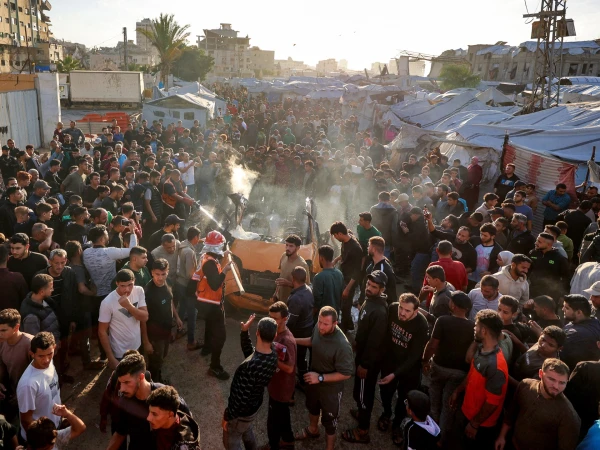
The meningitis outbreak comes as Israeli airstrikes continue to pound Gaza, killing at least seven people in overnight raids. The escalating violence has forced thousands of families into temporary shelters, where poor sanitation and cramped conditions further exacerbate health risks. Doctors on the ground describe a desperate situation, with hospitals overwhelmed by both trauma patients and infectious disease cases.
'We are seeing patients arriving with high fevers, stiff necks, and confusion—classic signs of meningitis,' explained Dr. Layla Al-Masri, a pediatrician working in a Gaza City hospital. 'But without proper diagnostic tools or antibiotics, many cases go untreated until it's too late.'
Health authorities are scrambling to contain the outbreak, launching emergency vaccination campaigns and distributing hygiene kits. However, the blockade and ongoing hostilities have severely limited their ability to reach affected communities. International aid organizations have called for immediate ceasefires to allow medical teams to deliver critical supplies and care.
The World Health Organization has issued a stark warning, highlighting that the meningitis surge is just one of several looming health catastrophes in Gaza. With winter approaching, the risk of respiratory infections and waterborne diseases is expected to rise, further straining an already fragile system.
As the conflict shows no signs of abating, Gaza's health workers remain on the front lines, battling not only the immediate toll of airstrikes but also the silent, creeping threat of an epidemic that could claim far more lives.