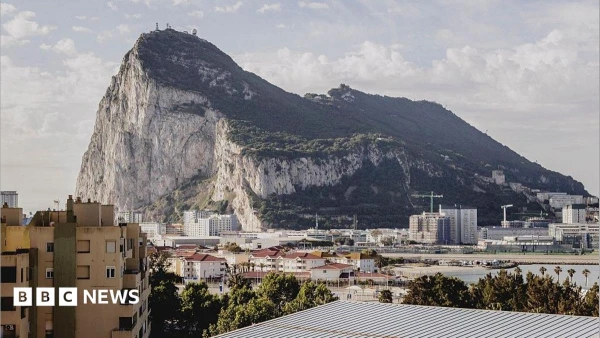
Every weekday morning, Shilpi Chotrani pedals her bicycle from her home in La Línea de la Concepción, Spain, to her job in Gibraltar. The journey is short, but crossing the international border that has separated these communities for over a century often means waiting in long, frustrating queues.
"The fact that there is a border between us is ridiculous," says Chotrani, who works in human resources for a Gibraltarian shipping and tourism firm. "I don't think a fence should separate people from one place and another."
That fence, erected in 1908, has been a defining feature of life here—a lingering relic of a time when the British Overseas Territory and Spain were locked in sovereignty disputes and even a 13-year blockade. But all that is about to change.
From July 15, the border controls will be removed, allowing freedom of movement between Spain and Gibraltar. The historic shift is the result of a painstakingly negotiated post-Brexit agreement between the European Union and the UK. Because Gibraltar shares a land border with an EU member state, its status posed a unique challenge after Brexit.
"This is going to be a great step forward, both for the Spanish side and the British side," Chotrani says. "All of us who live in La Línea think it's a great idea. This should have been done a long time ago."
Gibraltar is one of the wealthiest territories in the world, with a per capita income among the highest globally. By contrast, La Línea de la Concepción and its surrounding region are among the most deprived areas in Spain, with unemployment hovering near 30%—far above the national average.
Juan Franco, the mayor of La Línea, says the removal of the border is an economic lifeline. "This is historic. We've had a border fence since 1908," he notes. "For an average company in this town, a third of its income comes from clients in Gibraltar."
Gibraltarians overwhelmingly opposed Brexit, with 96% voting to remain in the EU in the 2016 referendum. Their fears were twofold: that leaving would embolden Spanish sovereignty claims and that it would disrupt the territory's close trade ties with the EU, particularly in online gaming, shipping, and financial services.
Under the new agreement, Gibraltar will align with the EU customs union and the Schengen free travel zone. Travellers from outside Schengen, such as those arriving from the UK, will still need to show passports at the territory's airport and port.
Gibraltar's Chief Minister, Fabian Picardo, called the development "a huge change." He added: "One of the key things which has defined the past eight generations of Gibraltarians is the restrictions at the frontier."
For now, the deal is set to be provisionally implemented, pending approval from the UK and European Parliaments. But for commuters like Chotrani, the wait is nearly over—and the border fence that once divided communities will finally come down.