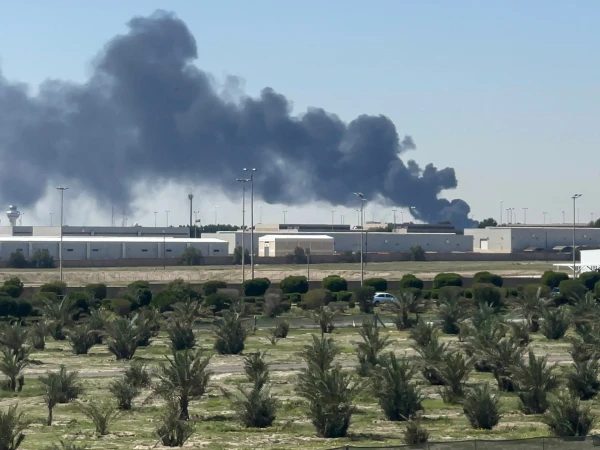
Despite a recently announced two-week ceasefire between the United States and Iran, multiple attacks have been reported across the Gulf region, raising concerns about the stability of the temporary truce.
According to regional security sources, several strikes occurred in the United Arab Emirates, Kuwait, and Bahrain just hours after the ceasefire was publicly declared. The timing of these incidents has prompted questions about whether all parties are adhering to the agreement or if independent actors are attempting to undermine the diplomatic efforts.
"The continuation of hostilities in the Gulf region, despite the announced ceasefire, suggests that achieving lasting peace will require more than just a temporary pause in fighting," noted a regional security analyst.
The ceasefire between Washington and Tehran was intended to create a window for diplomatic negotiations and de-escalation in one of the world's most volatile regions. However, these latest attacks indicate that the path to stability remains fraught with challenges, as various factions and interests continue to influence the security landscape.
Officials from the affected nations have not yet released detailed statements about the nature or origin of the strikes, but the incidents have already cast a shadow over the fragile ceasefire agreement. International observers are closely monitoring whether these developments will lead to a breakdown of the truce or if diplomatic channels can be maintained despite the provocations.