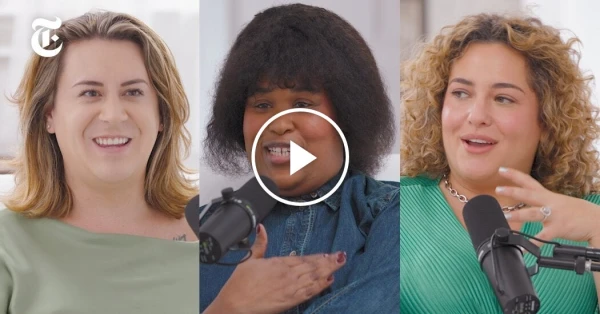
In a cultural conversation exploring the shifting landscape of social awareness terminology, writers and cultural critics are examining whether the era of intense language policing has reached an inflection point. Recent observations suggest a subtle relaxation in how people approach potentially offensive language, with terms once strictly avoided resurfacing in casual discourse.
"I have such a hard time with somebody hanging all of their politics on language. I want to be able to say the R word. Did woke go too far?" noted one participant in the discussion.
Cultural critic Aminatou Sow and writer Brock Coylar joined the conversation to analyze these linguistic shifts. Through a revealing word association exercise, they assessed the current vitality of terms central to recent social justice movements.
The Vocabulary Assessment
When presented with various terms, the critics offered candid assessments:
- Problematic: "Dead should die"
- Triggered: "Going to come back, but it's dead"
- Microaggression: "Dead"
- Safe space: "Dead"
- Folks with an 'x': "Dead. Never alive"
The discussion particularly highlighted the controversial term "Latinx," with one critic expressing strong opposition: "I hate Latinx. It's very much like a diaspora war thing for me. I would say most of the people that I know don't like it either."
Defining the Terms
The conversation explored whether "politically correct" and "woke" represent the same concepts. "When I hear politically correct, I think... I kind of hate the word woke, but I do think that woke has almost supplanted politically correct as the thing we're talking about," one participant observed.
The term "woke" has undergone significant evolution, with perceptions shifting dramatically. "I felt like it seemed like a positive thing to be woke five years ago, and now it doesn't feel that way anymore," noted a discussant, who now describes having "anti-woke sensibilities" to distance from what they characterize as "way too earnest, super PC, kind of cringe resistance culture."
Generational and Cultural Divisions
The discussion revealed how language choices can reveal generational positioning. "If somebody says the word PC I'm like, got it. Like you're 1990 and before person," Sow remarked, highlighting how vocabulary can "carbon date" speakers.
The appropriation of "woke" by different groups has created confusion. "It's very much like the dad from 'Get Out,'" Sow observed, referencing the film's memorable character who awkwardly attempts to demonstrate racial awareness. "I've never known what that means when white people say they're woke."
Political Context and Cultural Signaling
Participants identified the Trump administration as a catalyst for intensified political signaling through language and symbols. "There's something happened during Trump's first administration where people were like, 'This is not us,'" one critic noted, referencing phenomena like pink pussyhats, anti-racism reading lists, and Instagram black squares as examples of performative political alignment.
As cultural conversations continue to evolve, this dialogue suggests we may be entering a new phase where the language of social awareness is becoming more nuanced, less rigid, and perhaps more reflective of genuine understanding rather than performative signaling.