The stars of HGTV's home renovation series Renovation Aloha, Kamohai and Tristyn Kalama, along with the network and production company, are facing a lawsuit from the State of Hawaii. The legal action stems from an episode that broadcast footage of Native Hawaiian ancestral remains, known as iwi kupuna.
"The broadcast of footage depicting iwi kupuna on national television causes profound and irreparable harm to the Native Hawaiian community, to the State's interest in protecting its cultural resources, and to the dignity and sanctity of the ancestors whose remains were depicted," states the civil complaint filed by the Hawaii Attorney General's office.
According to court documents, the state sought a temporary restraining order to prevent the episode from airing after a preview shared on social media showed the remains. Despite this effort, the episode initially aired with the controversial footage intact, though it has since been edited and the social media posts removed.
Hawaiian law grants iwi kupuna the highest level of protection, explicitly prohibiting the photography or disturbance of burial sites without prior written consent. The lawsuit alleges the broadcast violated these statutes.
In response, HGTV issued an apology and confirmed the release of a re-edited episode. "We take the concerns raised by the Native Hawaiian community very seriously and are committed to ensuring our programming is respectful and appropriate," said a network representative.
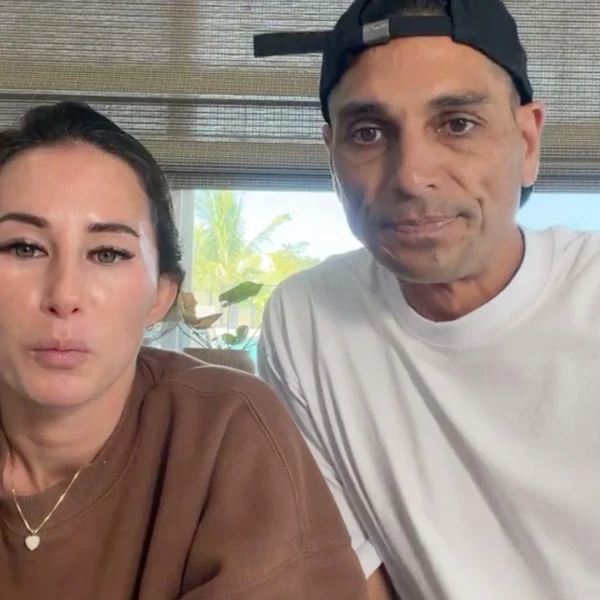
The Kalamas addressed the situation in an Instagram Live session, explaining they immediately reported the discovery to authorities and cultural elders. They stated they followed guidance to leave the remains undisturbed and have secured the property to prevent future construction on the site.
"I know I don't have to be here to explain how special and important family, culture, history, and the land are to us as Hawaiians," Kamohai Kalama expressed emotionally during the broadcast. "It means everything."
The case highlights ongoing tensions between cultural preservation and media production, particularly in Hawaii where ancestral remains are afforded significant legal and spiritual protection.