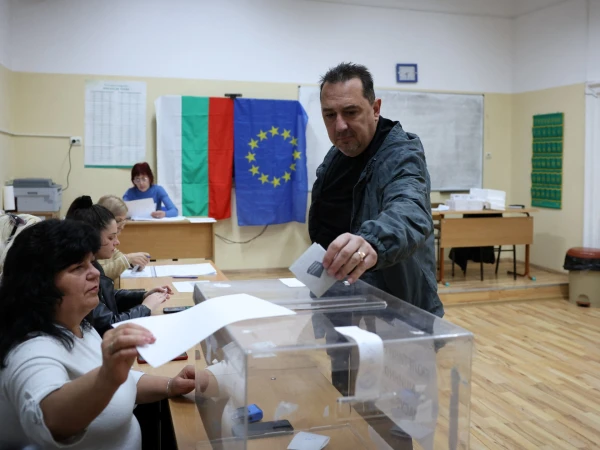
Bulgarians are casting their ballots in a tense presidential run-off defined by escalating regional security threats and a struggling domestic economy. The election follows a dismal first round that saw a record-low voter turnout of just 23 percent.
Acting President Iliana Iotova, 61, secured the lead in the initial vote but failed to cross the 50 percent threshold required for an outright victory. She faces off against 50-year-old Andrey Gyurov, a former caretaker prime minister. If Iotova secures the win, she will make history as Bulgaria’s first elected female head of state. She assumed the acting role in January after her predecessor, Rumen Radev, stepped down to successfully pursue a parliamentary seat on a platform widely viewed as sympathetic to Moscow.
Looming large over the election is a string of devastating drone attacks on commercial vessels off the Bulgarian coast. The maritime strikes, intertwined with the ongoing war in Ukraine, have sunk a Greek container ship and left approximately two dozen sailors feared dead. The crisis has prompted Sofia to urgently request maritime security assistance from its international allies to protect its Black Sea waters.
While both contenders have publicly condemned the strikes and advocated for a diplomatic resolution to the conflict in Ukraine, their political backing diverges significantly. Gyurov, championed by pro-Western reformists and prominent right-leaning figures like former Prime Minister Boiko Borisov, has been a vocal supporter of Kyiv. During his tenure as premier, he solidified a security pact with Ukraine and campaigned heavily on strengthening Bulgaria's role as a steadfast and reliable NATO ally.
Meanwhile, Prime Minister Radev, who threw his political weight behind Iotova, has openly stated that the recent maritime attacks ultimately benefit the Russian Federation.
Exit polls are slated for release shortly after voting concludes on Sunday evening, with official results anticipated on Monday.