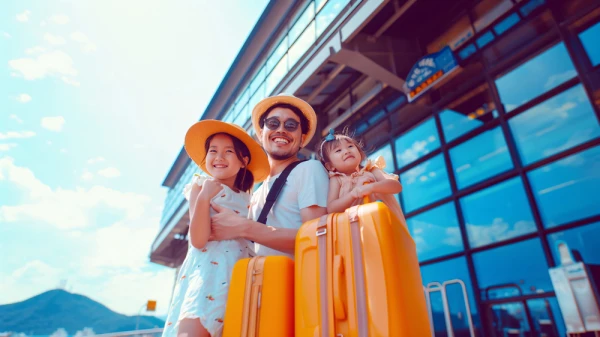
As Holy Week approaches, millions of Filipinos are preparing for their annual travel traditions, creating one of the largest domestic migration events in the country. This deeply religious observance transforms the nation's transportation landscape as families journey to their hometowns for spiritual reflection and family gatherings.
"Holy Week travel isn't just about transportation—it's a cultural pilgrimage that connects Filipinos to their roots and faith," observes a tourism expert.
Major transportation hubs are bracing for significant passenger surges, with bus terminals, airports, and seaports implementing special schedules and additional services to accommodate the exodus. Many travelers begin their journeys days before Holy Thursday to avoid the peak congestion that typically occurs from Maundy Thursday through Black Saturday.
Traditional destinations include ancestral homes in provinces across Luzon, Visayas, and Mindanao, where families participate in local religious observances like the Pabasa (chanting of Christ's passion), Visita Iglesia (church visits), and processions. Coastal areas and beach destinations also see increased traffic as urban dwellers seek retreats for reflection and relaxation during the extended break.
Transportation authorities have coordinated with local governments to ensure safety measures are in place, particularly for road travel, which accounts for the majority of Holy Week journeys. The annual travel period serves as both a logistical challenge and a testament to the enduring cultural and religious traditions that continue to shape Filipino society.