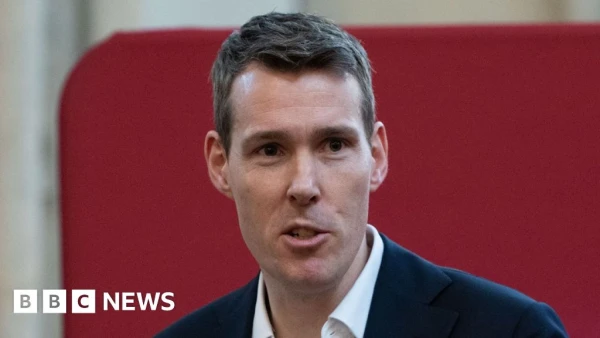
Housing minister Matthew Pennycook has stated that immediately abolishing the leasehold system in England and Wales is not feasible, pushing back against criticism that the government is backtracking on its election promise.
Speaking at the Institute for Government think tank, Pennycook argued that outright abolition of approximately five million leases would be "almost certainly impossible," citing legal hurdles, impacts on the mortgage market, and the challenge of establishing millions of commonhold associations overnight.
"In making that manifesto commitment to bring the leasehold system to an end, we were not promising to immediately abolish leasehold outright," Pennycook said. He criticized the Green Party's pledge to "end leasehold" as a "glib soundbite."
Green MP Carla Denyer responded that her party's plan is to phase out leasehold, not abolish it instantly.
The government's draft leasehold bill, currently before Parliament, aims to make it easier to convert to commonhold—where residents jointly own and manage their building without an expiring lease. The bill also proposes banning new leasehold flats and capping ground rents at £250 per year.
Pennycook said these measures would empower leaseholders to take control of their buildings and convert to commonhold "when they judge it is the right time for them." He expects a new commonhold framework to be operational well before the end of the current Parliament in 2029.
Critics remain unconvinced. The National Leasehold Campaign called for a "binding timetable for reform," while Free Leaseholders founder Harry Scoffin described the speech as "a wasted opportunity."
On the topic of the Renters' Rights Act, which comes into force on Friday, Pennycook dismissed claims of a landlord "exodus," attributing any sell-offs mainly to tax changes under the previous Conservative government rather than increased regulation.
The minister asserted that the act would bring greater "security and stability" for tenants.