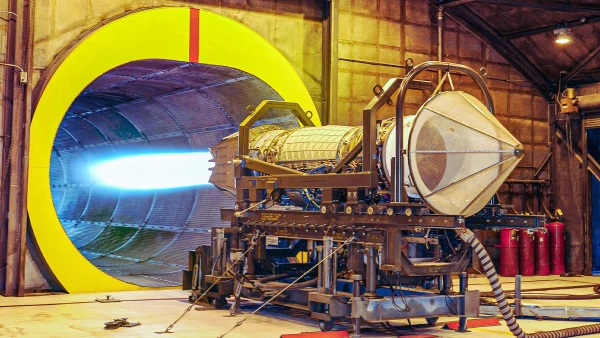
The F119-PW-100 turbofan engine, developed by Pratt & Whitney, was a groundbreaking achievement that made the F-22 Raptor possible. At the time, industry experts believed that three key requirements—supercruise (sustained supersonic flight without afterburners), thrust vectoring for extreme maneuverability, and low observability (stealth)—were mutually exclusive. Yet the F119 managed to deliver all three.
The engine produces 35,000 pounds of thrust and allows the F-22 to cruise at Mach 1.5 without afterburners, saving fuel and reducing infrared signature. Its two-dimensional thrust-vectoring nozzles, which can deflect 20 degrees up or down, give the Raptor unprecedented agility in dogfights. Meanwhile, the engine's design minimized radar and heat signatures, helping the aircraft evade detection.
Despite its success, the U.S. Air Force is now looking beyond the F119 for next-generation fighters, including sixth-generation engines under the Adaptive Engine Transition Program (AETP). These new powerplants will offer even greater efficiency, thrust, and thermal management for future combat aircraft.