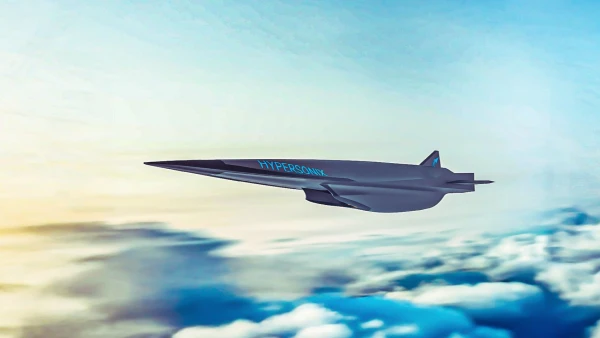
In a move that could reshape high‑speed travel and defense, Brisbane‑based Hypersonix Launch Systems has closed a $46 million Series A round to accelerate its hydrogen‑powered hypersonic aircraft programme.
The Australian firm says its proprietary scramjet, dubbed SPARTAN, is a 3‑D‑printed, reusable engine with no moving parts that can propel a vehicle to Mach 12 – twelve times the speed of sound – while emitting only water vapor when run on green hydrogen.
The hardware roadmap
- DART AE – an 11.5‑ft (3.5 m) demonstrator slated for flight under the U.S. Defense Innovation Unit’s HyCAT programme.
- VISR – a larger, eight‑metre, fully reusable jet designed for intelligence, surveillance and reconnaissance missions, powered by four SPARTAN engines and built with high‑temperature ceramic‑matrix composites.
- Delta Velos – the next‑generation, high‑cadence launch system that aims to reuse the same hydrogen‑fuelled architecture for rapid space‑to‑orbit access.
“Hydrogen‑fueled scramjets give us higher exhaust velocities and a clean‑burn exhaust, which is essential for reaching the extreme Mach numbers required for true hypersonic flight,” the company explains on its website.
Why hydrogen matters
Hydrogen’s high specific energy and zero‑carbon combustion make it attractive for air‑breathing engines that must operate at temperatures where conventional kerosene would break down. By feeding hydrogen into a supersonic combustion ramjet (scramjet), engineers hope to push beyond the typical Mach 5‑8 envelope of most current hypersonic projects.
Potential game‑changing applications
- Ultra‑rapid global transport – cargo or passengers could traverse continents in minutes rather than hours.
- Defense and ISR – platforms that can strike or gather intelligence at speeds that outrun existing missile defenses.
- Space launch assistance – a hypersonic first‑stage could hand off payloads to orbital vehicles, lowering launch costs.
- Sustainability – using green hydrogen eliminates CO₂ emissions, addressing the climate concerns of high‑energy aviation.
Funding and timeline
The $46 million infusion, announced by Aerospace Testing International, will fund the DART AE flight tests, expand 3‑D‑printing capabilities in Queensland, and move the VISR design toward a flight‑ready prototype. While the target Mach 12 speed remains ambitious, the company has already demonstrated the feasibility of hydrogen‑fuelled scramjet operation in ground‑based tests.
How Hypersonix fits into the wider race
Most major hypersonic programmes—both in the United States and abroad—still rely on hydrocarbon‑based fuels. Hypersonix’s approach differentiates it by pairing hydrogen fuel with additive‑manufactured engines, a combination that could offer a cleaner, potentially cheaper path to sustained hypersonic flight. If successful, it would mark the world’s first reusable, hydrogen‑powered hypersonic jet.
The next milestone will be the inaugural flight of DART AE under the HyCAT program later this year. Success could accelerate the timeline for a full‑scale VISR vehicle, bringing the once‑science‑fiction notion of a Mach 12, zero‑emission jet closer to reality.