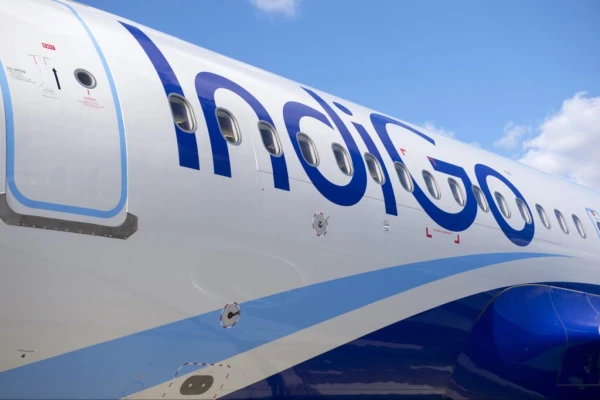
India’s largest airline, IndiGo, is doubling down on Southeast Asia with a series of new and expanded flights, signaling a strategic shift as rising fuel prices and airspace restrictions complicate its westbound operations.
Starting December 20, the budget carrier will launch daily services between Delhi and Kuala Lumpur, as well as Bengaluru and Hanoi. Additionally, IndiGo will increase its Delhi–Singapore route to twice daily from the same date, and boost Delhi–Bangkok flights to 19 per week beginning December 28. These moves expand the airline’s footprint in a region long favored by Indian travelers, even as it scales back elsewhere internationally.
The expansion comes at a challenging time for IndiGo. Fuel costs surged 67% in the September quarter, reaching $1.05 billion—nearly 38% of the airline’s total expenses. Despite a 26% revenue increase, IndiGo reported a net loss of $197 million, as the carrier struggled to fully offset the higher fuel bills through fare hikes and surcharges. "We’ve recovered only about 60% of the fuel cost increase," said CEO Willie Walsh. "Every flight is now being evaluated individually to ensure profitability."
International capacity, measured in available seat kilometers, fell 3% year-over-year in the September quarter, while domestic capacity remained stable. The airline’s cautious approach reflects broader industry pressures, including the closure of Pakistani airspace to Indian carriers since April 2025—a move that has forced longer, costlier detours on westbound routes from Delhi.
IndiGo’s narrowbody fleet and shorter flight times make Southeast Asia an attractive alternative. The region’s growing popularity among Indian travelers further strengthens its appeal. However, the airline’s decision to cut six routes in the region earlier this summer underscores the delicate balance between expansion and risk.
Looking ahead, IndiGo remains committed to international flying, targeting roughly 40% of its capacity to serve overseas destinations by 2030, up from about one-third today. The new Southeast Asia routes will be a critical test of the airline’s ability to navigate an increasingly complex global travel landscape.