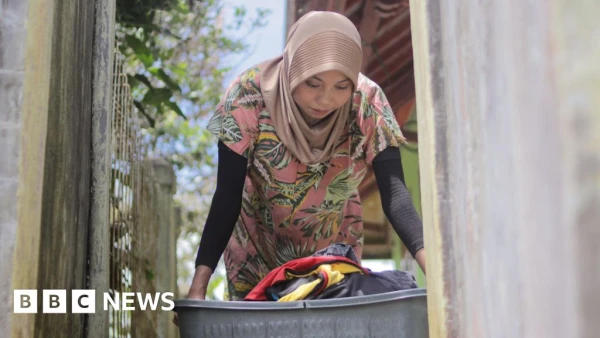
Indonesia's parliament has enacted a landmark law extending legal recognition and protections to the nation's vast domestic workforce, concluding a 22-year campaign for rights.
The Domestic Workers Protection Law, passed after years of legislative delays, reclassifies approximately 4.2 million domestic workers—nearly 90% of whom are women—as formal workers under the law for the first time. This shift grants them entitlements to health insurance, mandated rest days, and pension benefits.
Key provisions of the legislation include:
- A ban on wage deductions by placement agencies.
- Making it illegal to employ children under 18 as domestic workers.
- A one-year deadline for regulators to draft detailed implementation rules.
For years, domestic workers operated in a legal gray area, often employed informally without contracts, vulnerable to long hours, low pay, and abuse. Advocacy group Jala PRT reported over 3,300 cases of violence against domestic workers between 2021 and 2024.
"It feels like a dream. This is our 22-year struggle as marginalised women to gain protection," said domestic worker Ajeng Astuti.
Jumiyem, a worker from Yogyakarta, echoed the sentiment, stating, "We've been longing for this [law], and now we can feel it."
While rights groups have celebrated the passage as a historic victory, they caution that significant work remains. Lita Anggraini of Jala PRT emphasized the need for public education campaigns to inform employers of their new responsibilities, noting, "the struggle is not over."