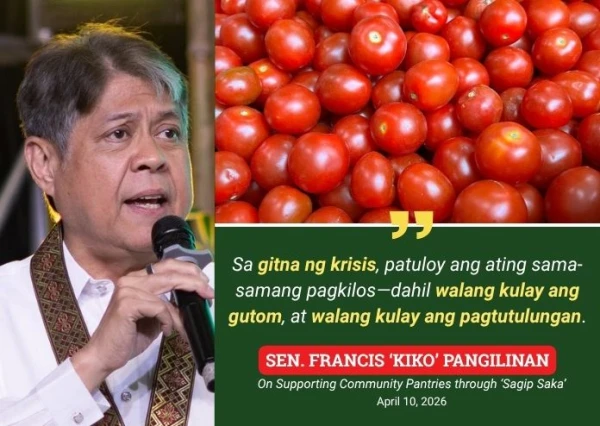
In the heart of the Philippines, a grassroots movement is quietly revolutionizing agriculture by preserving indigenous tomato varieties known locally as "kamatis." These traditional crops, once at risk of disappearing due to commercial farming pressures, are now being safeguarded through innovative cultivation techniques and community-driven conservation efforts.
"Our ancestors cultivated these tomatoes for generations," explains Maria Santos, a farmer from Nueva Ecija. "They're not just plants—they're part of our cultural heritage and food security."
Farmers across Luzon have adopted sustainable practices including seed banking, organic farming methods, and intercropping systems that enhance biodiversity. These approaches not only protect genetic diversity but also improve soil health and reduce dependency on chemical inputs.
Agricultural experts note that preserving these native varieties offers significant advantages. "Indigenous tomatoes often demonstrate greater resilience to local pests and climate conditions compared to commercial hybrids," says Dr. Carlos Reyes of the University of the Philippines Los Baños. "They represent valuable genetic resources for future crop development."
Community seed exchanges and farmer-led workshops have become crucial components of this preservation movement. Through these initiatives, traditional knowledge about cultivation techniques and seed selection is being documented and shared across generations.
As climate change presents increasing challenges to food production, these conservation efforts take on added significance. The preserved varieties may hold genetic traits that could prove vital for developing more resilient crops in the future.
While challenges remain—including limited funding and market access for traditional produce—the dedication of these farmers offers a model for agricultural preservation that balances tradition with innovation, ensuring that the taste and heritage of Filipino kamatis endure for generations to come.