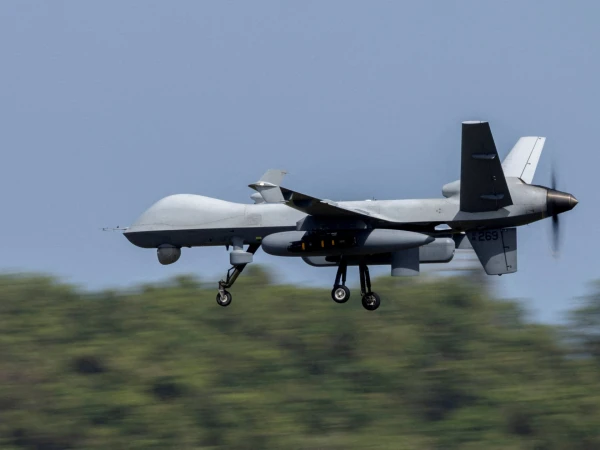
Iran announced on Thursday that it had downed two United States surveillance drones over the strategic Strait of Hormuz, accusing Washington of violating Iranian airspace amid ongoing tensions.
The Iranian foreign ministry reiterated the three conditions it deems essential for reopening the waterway: an immediate end to hostilities, a guarantee of free navigation for all vessels, and the release of any Iranian citizens detained abroad. Tehran warned that without these steps, the strait would remain closed to commercial traffic.
In a parallel move, the United States imposed sanctions on four Iranian individuals it described as “oil trustees” for the Islamic Revolutionary Guard Corps. The Treasury Department said the sanctions target those who facilitate the transfer of oil revenues that fund Tehran’s regional activities.
"We will protect our sovereignty and our vital interests in the Hormuz region," an Iranian spokesperson said, adding that the drone incident was a defensive response to repeated U.S. incursions.
The sanctions mark the latest escalation in a series of U.S. measures aimed at curbing Iran’s oil‑related financing as diplomatic efforts to end the regional conflict remain at an impasse.
"Our message is clear: any further violation of Iranian airspace will be met with decisive action," the Iranian official added.
Both sides appear entrenched, leaving the future of the critical maritime chokepoint uncertain.