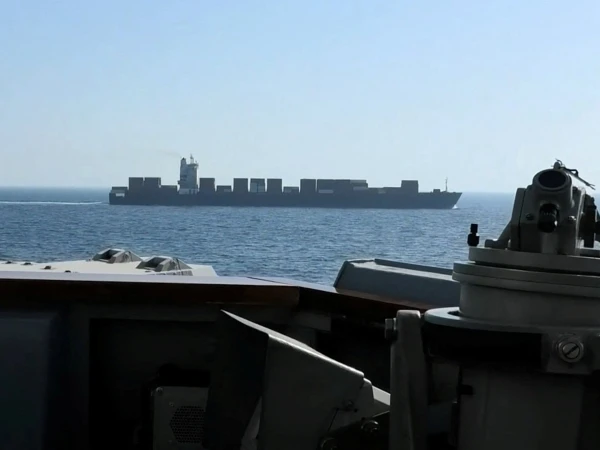
Iran has sharply criticized the United States over a recent naval operation, labeling it an act of "piracy" and vowing to respond. The incident, which involved the seizure of a vessel, has escalated tensions between the two nations.
This development follows closely on the heels of an announcement by US President Donald Trump, who revealed plans to dispatch his diplomatic team to Islamabad for potential negotiations. The timing of these events underscores the complex geopolitical landscape in the region, where diplomatic overtures and military posturing often intersect.
In a strongly worded statement, Iranian officials condemned the US action as a violation of international norms, asserting their right to defend their interests. "We will not tolerate such acts of aggression and will take appropriate measures in response," a spokesperson declared, highlighting the gravity with which Tehran views the situation.
The US has yet to issue a detailed public response to Iran's accusations, but the move comes amid ongoing efforts to address regional security concerns through dialogue. The planned talks in Islamabad are seen as part of a broader strategy to engage key stakeholders in the area, though Iran's reaction suggests that maritime disputes could complicate these diplomatic initiatives.
Analysts note that such incidents risk further straining relations, potentially derailing fragile peace efforts. The international community is closely monitoring the situation, urging restraint from both sides to prevent escalation. As tensions simmer, the focus remains on whether diplomatic channels can prevail over military confrontations in this volatile region.