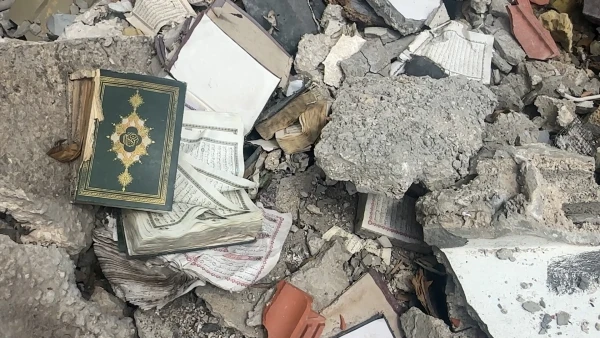
In a move that threatens to reignite regional tensions, Israeli forces conducted an airstrike on a mosque in southern Lebanon, marking another breach of the fragile ceasefire agreement between the two nations.
The attack, which occurred in the early hours of Thursday morning, targeted the Al-Nour Mosque in the town of Bint Jbeil, a region that has seen repeated cross-border skirmishes in recent months. Local sources reported significant structural damage to the religious site, though no casualties were immediately confirmed.
"This deliberate targeting of a place of worship represents a dangerous escalation," said Lebanese government spokesperson Hassan Nasrallah in a statement. "It undermines the very foundation of the ceasefire agreement and shows blatant disregard for international norms."
Israeli military officials acknowledged the strike but defended it as a "precise operation" against what they described as a "terrorist command center" allegedly operating from the mosque's premises. They claimed intelligence indicated the site was being used to plan attacks against Israeli territory.
The incident comes just weeks after both sides agreed to a United Nations-brokered truce following months of escalating hostilities. The ceasefire had brought relative calm to the border region, though both nations had accused each other of minor violations in recent days.
International observers have expressed concern that this latest development could unravel the delicate peace process. The UN Special Coordinator for Lebanon has called for an immediate investigation and urged both parties to exercise maximum restraint.
Analysts note that attacks on religious sites carry particular symbolic weight in the region and could complicate diplomatic efforts to maintain the ceasefire. The mosque strike represents the most significant violation since the truce was established, raising questions about its long-term viability.
As tensions mount, residents on both sides of the border are bracing for potential retaliation, with many fearing a return to the regular exchanges of fire that characterized the region before the ceasefire agreement.