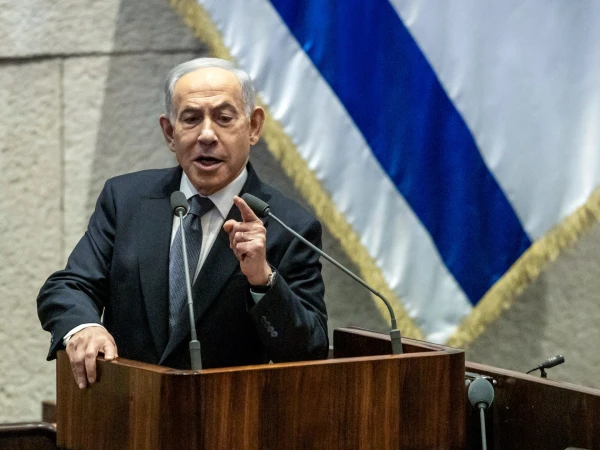
In a dramatic legal turn, a panel of Israeli judges has urged prosecutors to drop the most serious bribery charges against Prime Minister Benjamin Netanyahu, signaling a potential collapse of the decade-long corruption case that has shadowed his political career.
The Jerusalem District Court judges, who summoned Attorney General Gali Baharav-Miara for an unprecedented consultation, expressed deep skepticism about the viability of convictions in two of the three cases against Netanyahu. Their assessment casts doubt on the core allegations that have defined Israel’s most divisive political saga since the country’s founding.
"The chances of conviction are so low that reconsideration is warranted," Judge Rivka Friedman-Feldman told Baharav-Miara during the closed-door hearing, according to reports from Israeli media. The judges specifically questioned whether Netanyahu’s actions in Case 4,000—allegedly granting regulatory favors to a telecom mogul in exchange for favorable media coverage—rose to the level of criminal conduct. They also raised similar doubts about Case 2,000, which involves another alleged quid-pro-quo with a media baron.
While the panel left open the possibility of pursuing lesser charges in Case 1,000—which accuses Netanyahu of accepting luxury gifts from an Australian billionaire—they emphasized that the public interest now demands a fundamental reassessment of how the trial should proceed. Baharav-Miara has indicated she will carefully weigh their recommendations.
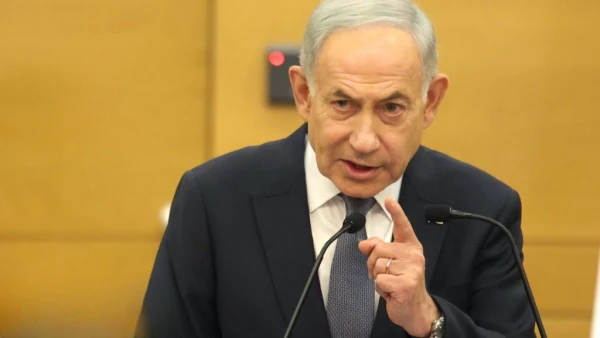
Netanyahu, who has long dismissed the charges as a politically motivated witch hunt, seized on the development as vindication. In a televised address, he decried what he called "ten years of fabricated cases" and "incitement to hatred" that have torn at his family and the nation. "The cases are falling apart," he declared, demanding an immediate end to the trial that has made him Israel’s first sitting prime minister to face criminal prosecution.
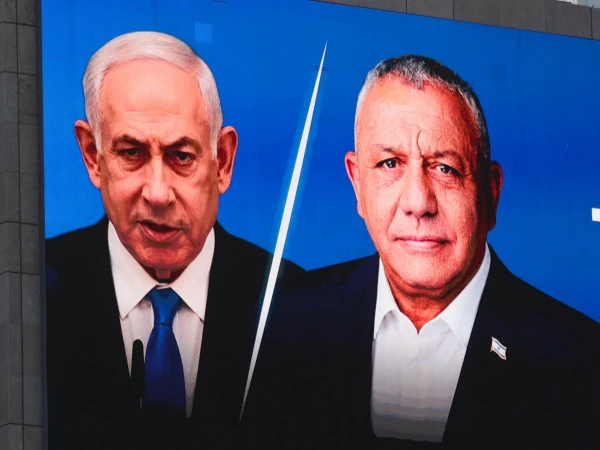
The judges’ intervention arrives at a pivotal moment for Netanyahu, whose political survival hinges on a fragile coalition and the outcome of Israel’s recent inconclusive elections. His parliamentary bloc secured more seats than his rival, former military chief Gadi Eisenkot, but neither achieved an outright majority. President Isaac Herzog has now tasked Eisenkot with attempting to form a new government—a process that could be upended by the legal uncertainty surrounding Netanyahu.
The corruption cases, which have dragged on for years, gained renewed urgency during the Israel-Gaza war, with judges agreeing to scale back hearings due to security concerns. Yet the allegations have continued to reverberate through Israeli politics, deepening societal rifts and fueling debates over judicial reform—a cornerstone of Netanyahu’s agenda that has drawn international criticism.
Netanyahu’s legal troubles extend beyond Israel’s borders. He remains subject to an arrest warrant from the International Criminal Court, accused of war crimes and crimes against humanity in Gaza—a charge he vehemently denies. The juxtaposition of his domestic legal battles and international legal exposure underscores the precarious position of a leader who has dominated Israeli politics for nearly two decades.
As the judges’ recommendations set the stage for a potential resolution, the question lingers: Will this legal reprieve translate into a political lifeline for Netanyahu, or will the shadow of corruption continue to haunt his legacy?