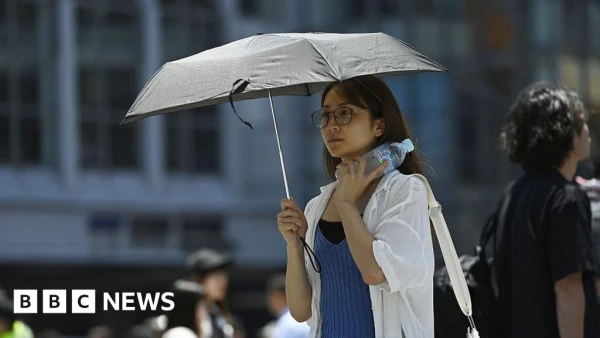
Japan has officially introduced a new term to describe days when temperatures soar to 40°C (104°F) or higher, following the nation's hottest summer on record. The word—kokushobi—translates to "cruelly hot," "brutally hot," or "severely hot" day, reflecting the intensity of such extreme heat.
The Japan Meteorological Agency (JMA) announced the designation on Friday, selecting it from a national online survey conducted in February and March. With approximately 478,000 responses, kokushobi emerged as the most popular choice among 13 options, beating out alternatives like "super extremely hot day." The term incorporates koku, meaning harsh or cruel, to emphasize the severity of the conditions.
This new classification comes after a blistering summer in 2025, which set records dating back to 1898. Nationwide average temperatures were 2.36°C above normal, with nine days exceeding 40°C between June and August. The city of Isesaki recorded a new national high of 41.8°C, while Tokyo and Kyoto experienced significantly more days above 35°C than usual—25 and 52 days, respectively, compared to historical averages of 4.5 and 18.5 days.
Japan already has established terms for days over 25°C, 30°C, and 35°C, but kokushobi addresses the growing frequency of even hotter weather. The JMA forecasts a high probability of above-normal temperatures for the upcoming summer, from June to August, underscoring the ongoing trend of climate-driven heatwaves.
Extreme weather events like heatwaves are becoming more common and intense globally, largely driven by human activities such as fossil fuel burning.
The introduction of kokushobi highlights Japan's proactive approach to raising awareness about extreme heat, as communities worldwide grapple with the escalating impacts of climate change.