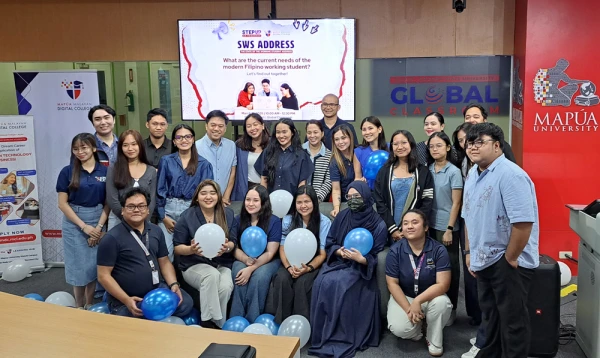
Today's students are navigating a complex balancing act, managing academic responsibilities alongside professional commitments in an increasingly demanding economic landscape. This dual existence has become a defining characteristic of contemporary higher education.
"I'm essentially living two separate lives," explains Maria Santos, a 22-year-old business administration major who works 30 hours per week as a customer service representative. "My classmates see me as a student, my colleagues see me as an employee, and I'm constantly switching between those identities."
The phenomenon extends beyond traditional part-time work, with many students engaging in freelance gigs, online tutoring, and entrepreneurial ventures alongside their studies. This shift reflects broader economic pressures, including rising tuition costs and living expenses that make financial independence increasingly necessary for many young adults.
Educational institutions are beginning to recognize this reality, with some implementing more flexible scheduling options and support services for working students. However, challenges persist in balancing academic rigor with professional demands, often leading to increased stress and time management pressures.
This dual lifestyle, while demanding, also provides valuable real-world experience that many students find enhances their education and future career prospects. The modern working student represents a new paradigm in higher education—one that blends academic pursuit with practical professional development in ways previous generations rarely experienced.