Dubai’s hospitality sector is facing its toughest stretch in years, with hotel occupancy plummeting and international visitors dwindling. Yet, developers are doubling down on a different kind of luxury real estate: branded residences. These high-end homes, backed by global hotel giants, are launching at a rapid pace, defying the broader market’s struggles.
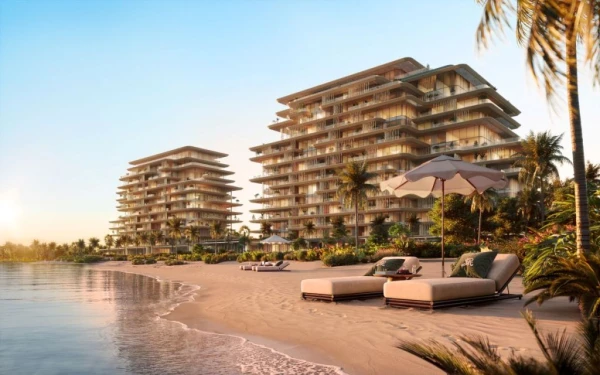
Three major projects are pushing forward despite the downturn. Avenew Development has unveiled The St. Regis Residences at Dubai Islands in partnership with Marriott International, while Dubai South has inked a deal with UK-based Cheval Collection for Cheval South Bay. Meanwhile, Al Seeb Real Estate Development has broken ground on Chedi Private Residences, a collection of 117 freehold homes with no rental program attached.
The contrast between the struggling hotel market and the thriving branded residence sector is stark. According to CoStar’s STR data, Dubai’s hotel occupancy dropped to 68.4% in October—a 16.5-point decline from the same month last year. Average daily rates have also fallen by 28.1% to $181, while revenue per available room (RevPAR) has plunged 42% to $124. International visitor numbers have similarly slumped, with a 38% year-over-year decline in the first 10 months of 2024, totaling just 9.7 million arrivals.
“The branded residential sector is showing caution, with some developers reassessing timelines. It would be premature to suggest operators are pursuing more of these deals to offset weaker hotel performance.” — Ferras Hafez, Director at Cavendish Maxwell
Despite the market’s challenges, buyers remain willing to pay a premium for branded homes. In Dubai, these properties typically sell for about a third more than comparable unbranded residences. Savills forecasts that the Middle East and Africa’s branded residences market will grow by 51% year-over-year by the end of 2026, signaling strong long-term demand.
The new supply is expected to hit the market between 2029 and 2030, offering a glimmer of hope for investors betting on Dubai’s enduring appeal as a global luxury destination. For now, the branded residence boom stands in stark contrast to the hotel sector’s struggles, proving that even in uncertain times, Dubai’s real estate market remains resilient.