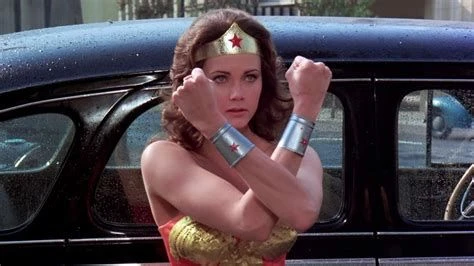
Fifty years ago, a pivotal moment in pop culture history unfolded when Lynda Carter's portrayal of Wonder Woman breathed new life into the iconic DC Comics character, preventing her from fading into obscurity.
Before Carter's groundbreaking television series debuted in 1975, Wonder Woman's relevance had been waning within DC's publishing lineup. The character, created by William Moulton Marston in 1941, had experienced fluctuating popularity through the decades but faced an uncertain future by the early 1970s.
Carter's performance transformed Wonder Woman from a comic book figure into a cultural touchstone. Her interpretation emphasized the character's strength, compassion, and independence, resonating with audiences worldwide and sparking renewed interest in the superheroine.
"Lynda Carter didn't just play Wonder Woman—she embodied her spirit in a way that made the character accessible and inspiring to millions," noted pop culture historian Dr. Elena Rodriguez. "Her portrayal created a template that influenced every subsequent iteration of the character."
The television series' success prompted DC Comics to revitalize Wonder Woman in their publications, leading to new storylines, updated character development, and sustained prominence within the DC Universe. This revival ensured Wonder Woman remained a cornerstone of superhero mythology rather than becoming a historical footnote.
Today, Wonder Woman stands alongside Superman and Batman as one of DC's most recognizable and enduring characters, with Carter's legacy continuing to influence portrayals in films, animated series, and comic books. The actress's impact demonstrates how a single performance can permanently alter a character's trajectory and cultural significance.