Madagascar has declared a two-week nationwide state of energy emergency in response to severe fuel shortages stemming from the ongoing conflict between the US, Israel, and Iran. The presidency announced the decision following a cabinet meeting on Tuesday, citing concerns that the situation could escalate into public disorder.
"The government now has the powers to stabilize the country's power sector, mitigate further disruptions, manage consumption, and ensure continuity of public services," stated officials.
The Indian Ocean island, which relies heavily on oil for electricity generation, depends on fuel imports from the Middle East. Most of its oil originates from Oman, near the Strait of Hormuz—a critical global shipping route that has been severely impacted since the war began on February 28. Despite a recent two-week ceasefire announcement, analysts warn that supply disruptions could persist for months or even years, with oil prices remaining significantly elevated.
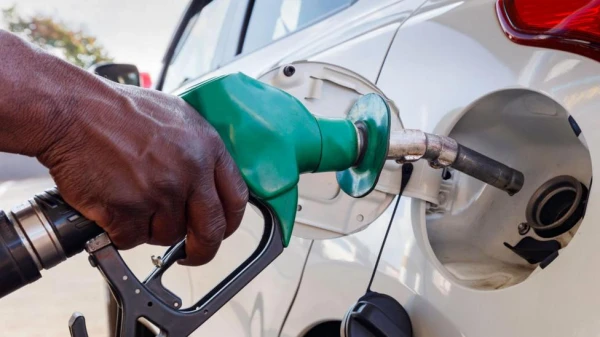
News of the emergency declaration reportedly sparked panic buying at petrol stations on Wednesday, leading some outlets to ration fuel per customer. While fuel prices have not yet increased, long queues have become common, with drivers waiting hours to refuel.
This crisis echoes last year's unrest in Madagascar, where persistent power and water shortages fueled youth-led protests that eventually escalated into broader political turmoil and a military takeover.
Madagascar is among several African nations taking urgent measures to address the ripple effects of the Middle East conflict. The Gambia has suspended all non-essential official travel for government officials, following similar actions by Senegal. Zambia has temporarily lifted taxes on petrol and diesel imports, and Botswana has abolished fuel levies for six months to shield consumers from price hikes.