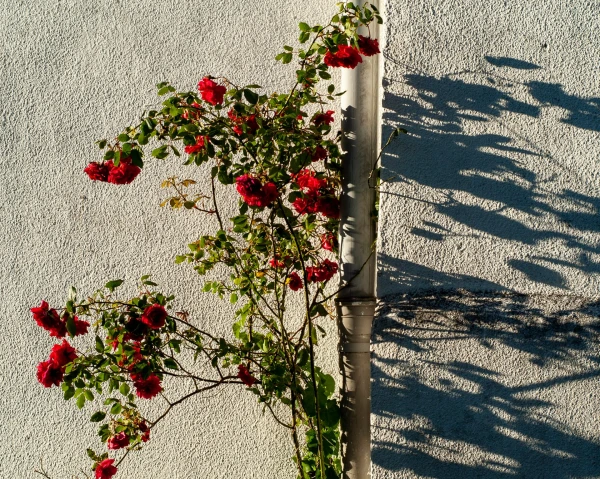
The interplay of light and shadow, known in Japanese aesthetics as "komorebi," is a subtle but transformative design principle that can elevate any garden. Instead of fighting shade, Japanese garden designers embrace it, using darkness to frame and accentuate pockets of light.
To bring this concept into your own yard, start by observing how sunlight moves through your space throughout the day. Identify areas that receive dappled light under trees or structures. In these spots, plant shade-tolerant foliage with varied textures—think ferns, hostas, and Japanese forest grass. Their leaves will catch the light differently, creating a living mosaic.
Hardscaping also plays a key role. Use dark stones, gravel, or pathways to absorb light and create contrast. A simple bench placed in a shaded nook becomes a focal point when bathed in soft, filtered sunlight. Lanterns or subtle lighting can extend the effect into evening, casting gentle shadows that mimic the daytime interplay.
"In Japanese gardens, shadow is not an absence of light but a presence of mood," notes landscape designer Akiko Tanaka. "It invites contemplation and quiet."
Start small: choose one corner of your garden and experiment with layering plants of different heights and leaf shapes. Add a dark-colored pot or a stone lantern. The goal is not to banish shadows but to choreograph them, letting light and dark dance together in a serene, balanced composition.