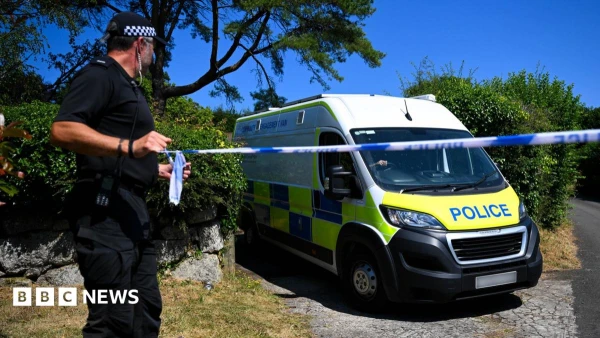
The decision by counter-terrorism police to take over the investigation into Ann Widdecombe's death has revived a somber discussion among politicians about how to balance accessibility with security.
In the House of Commons, colleagues remembered Widdecombe for her character and conviction, while grappling with the risks of public service. Conservative MP Sir Bernard Jenkin noted, "As a member of parliament, you are more likely to meet a violent death than a member of His Majesty's armed forces or the police."
Many lawmakers blame social media for normalizing violent language and abuse, which they say has made the political environment more dangerous. Former Conservative leader Sir Iain Duncan Smith urged action: "The government must compel social media companies to close down visceral, violent language—that is the root of violence and death."
Home Secretary Shabana Mahmood acknowledged the government must go further on security. She offered Reform UK leader Nigel Farage a meeting with the Royal and VIP Executive Committee (Ravec) to address his repeated security concerns. Farage accepted, stating he would discuss the safety of all Reform politicians.
Reform UK revealed that Farage had rejected a state-funded bodyguard and driver last year, calling the offer a "75% cut" from what was needed after the assassination of Charlie Kirk. A party spokesman said, "Nigel declined the downgraded package, and Reform took the responsible decision to maintain proper protection."
The Widdecombe case highlights the challenge of assessing threats not only to sitting MPs but also to former members, non-MP political leaders, and aspiring politicians. As one MP put it, attracting the next generation hinges on whether Westminster can ensure their safety.