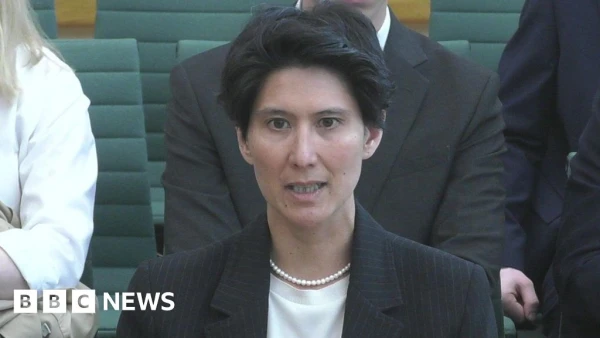
The UK's most senior Cabinet Office civil servant, Cat Little, has testified before the Commons foreign affairs committee regarding the vetting process for Lord Mandelson's appointment as UK ambassador to the US. Despite concerns raised by security officials, Mandelson was granted clearance, only to be sacked by Prime Minister Keir Starmer in September 2025 after new details emerged about his ties to the late convicted sex offender Jeffrey Epstein.
Here are the key takeaways from Little's evidence:
'Due Process' Followed
Little defended the process, stating that "due process was followed" because UK Security Vetting (UKSV) made a recommendation, and the Foreign Office made the final decision. This aligns with Starmer's repeated claims in Parliament that "full due process" was adhered to. However, critics note that civil servants are bound to represent ministerial positions.
No Paper Trail of No 10 Pressure
Former Foreign Office top civil servant Sir Olly Robbins claimed his department faced "constant pressure" from Downing Street to expedite Mandelson's vetting. Little said she could not comment on events she wasn't involved in but noted that in documents she reviewed, she saw no formal evidence of such pressure.
Vetting Summary Not Shared
Little revealed that when she requested a document summarizing the vetting recommendation and the Foreign Office's final decision, Sir Olly declined to provide it. She then obtained the information directly from security officials on March 25, 2025, but did not share it with the PM until April 14, citing the need for legal advice on handling sensitive material.
Vetting File May Have Contained New Information
A preliminary due diligence report had flagged reputational risks, including Mandelson's continued relationship with Epstein after his conviction and his past ministerial resignations. Little acknowledged that the full vetting file "could contain more information" than the due diligence report, which is significant because Starmer has said he would not have proceeded with the appointment had he known the vetting agency recommended against clearance.
No Record of PM's Decision
Little noted it was "unusual" that no formal record was kept of the meeting where Starmer decided to appoint Mandelson, as such documentation is standard practice.
Cabinet Office Advised Vetting
Contrary to Sir Olly's claim that the Cabinet Office argued vetting was unnecessary, Little testified that documents show a senior Cabinet Office official advised Mandelson should undergo vetting. The Foreign Office security team had initiated the request for guidance.