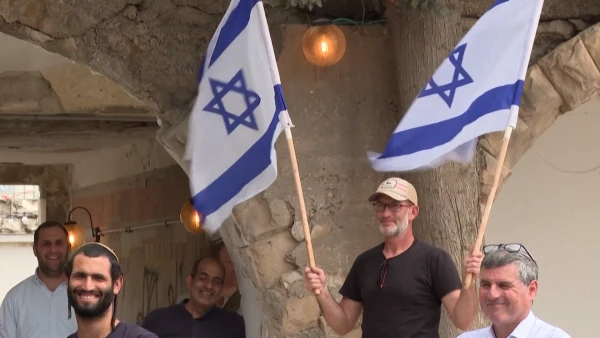
Residents across northern Israel have taken a dramatic stand against a recent diplomatic agreement, closing shops and schools in a coordinated protest against a 10-day ceasefire with Lebanon.
The grassroots movement reflects deep-seated concerns among local communities about the terms and implications of the temporary truce. While official details remain limited, the widespread closures signal significant opposition to the ceasefire arrangement from those living closest to the border region.
"This protest represents the voice of people who live with the daily reality of cross-border tensions," observed one community organizer. "We're expressing our position through the most direct means available to us."
The shutdowns have disrupted normal life in multiple towns and villages, with business owners voluntarily closing their establishments and parents keeping children home from school. The protest appears to be largely organized through local networks rather than formal political channels.
Security analysts note that such community-led actions in northern Israel are relatively uncommon and suggest particularly strong feelings about the ceasefire terms. The protest comes amid ongoing regional tensions and highlights the complex domestic reactions to international diplomatic efforts in the area.
Local authorities have acknowledged the protests but have not intervened to force businesses or schools to reopen, indicating a degree of tolerance for this form of civic expression. The duration of the shutdowns remains uncertain, with organizers suggesting they will continue until their concerns receive adequate attention from national leadership.