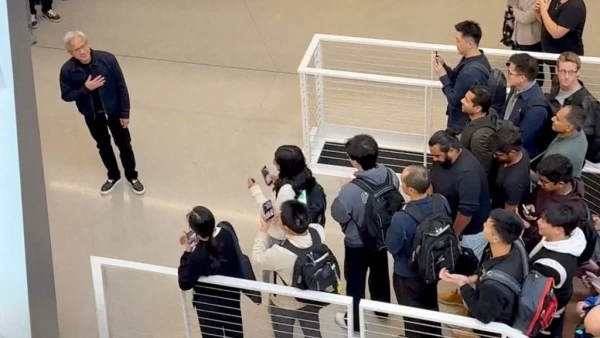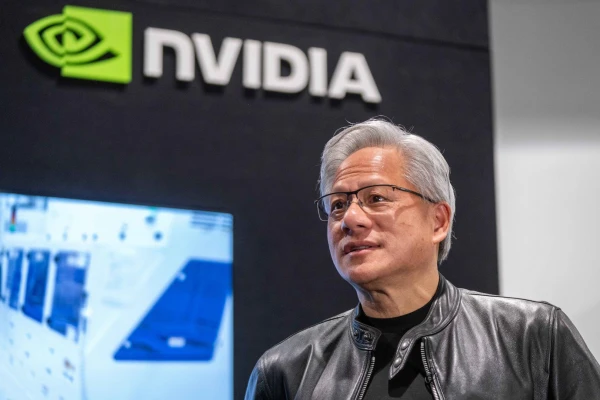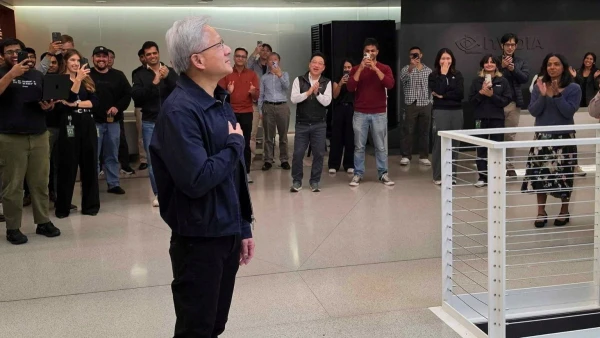
In a stunning reversal, Nvidia’s CEO Jensen Huang has been reinstated just two weeks after facing severe criticism over alleged missteps that sparked outrage beyond the tech industry. The decision comes after high-profile intervention by former President Donald Trump, raising questions about the intersection of corporate governance, political influence, and Silicon Valley’s evolving power dynamics.
Huang, who has led Nvidia for over three decades, was initially sidelined following a series of controversies that critics argued undermined the company’s reputation. While details of the alleged mistakes remain undisclosed, insiders suggest the issues stemmed from strategic misjudgments that drew scrutiny from regulators and competitors alike. The abrupt reversal of his removal has left industry observers baffled, with many questioning the rationale behind the sudden about-face.
"This isn’t just about one executive—it’s about the broader implications of corporate accountability in an era where tech giants wield unprecedented influence," said a Silicon Valley analyst who requested anonymity. The analyst noted that Huang’s reinstatement could signal a shift in how major corporations navigate political and public relations challenges.
The intervention by Trump adds another layer of complexity to the saga. Known for his vocal support of the tech sector, Trump’s involvement has fueled speculation about potential political motivations behind the decision. Some speculate that Huang’s reinstatement may be tied to broader economic or geopolitical considerations, particularly as Nvidia remains a critical player in the global semiconductor landscape.
Nvidia has not issued a formal statement regarding Huang’s return, leaving stakeholders to grapple with the implications. As the dust settles, the tech world watches closely to see whether this episode will set a precedent for how corporate leadership crises are resolved—or if it was an isolated incident driven by extraordinary circumstances.