In a dramatic escalation of Washington’s tech rivalry with Beijing, former President Donald Trump has publicly urged the Biden administration to lift restrictions preventing Nvidia CEO Jensen Huang from engaging with Chinese officials. The move underscores growing concerns over the US government’s expanding role in corporate decision-making, particularly in the semiconductor sector where Nvidia holds a dominant position.
Huang, a Taiwanese-American tech executive and one of Silicon Valley’s most influential figures, has been barred from high-level interactions with Chinese counterparts since late 2023, when the Commerce Department cited national security risks tied to advanced chip technologies. The restrictions were part of a broader crackdown on US tech firms’ dealings with China, aimed at curbing the transfer of sensitive semiconductor capabilities.
Trump’s intervention, delivered in a series of social media posts and interviews, marks a rare public challenge to the Biden administration’s tech policy. "Jensen Huang is a patriot and a brilliant leader. The restrictions on him are hurting American innovation and must be reversed immediately," Trump stated in a Truth Social post on Wednesday. His remarks were echoed by several Republican lawmakers, who argue that the ban undermines US competitiveness in the global semiconductor race.
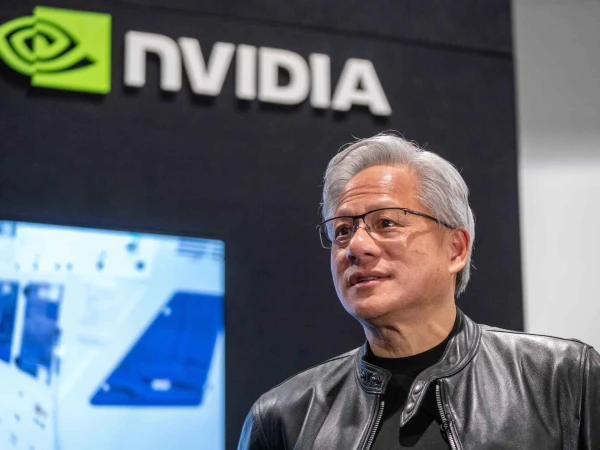
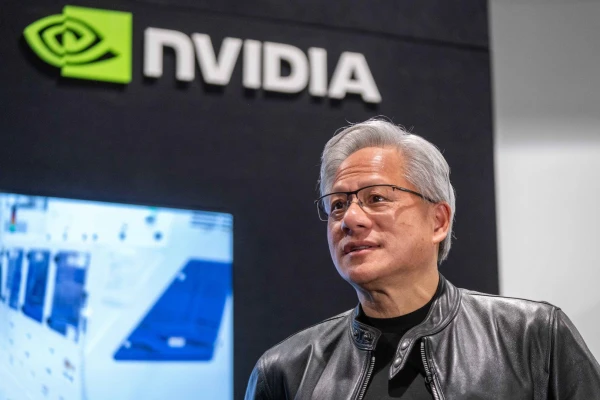
The controversy has thrust Huang into the spotlight as a symbol of the delicate balance between national security and economic pragmatism. Nvidia, under his leadership, has become a critical supplier of AI and high-performance computing chips, with its products powering everything from data centers to military simulations. The company’s dominance in the AI chip market has made it a target for both US and Chinese regulators, but Huang’s exclusion from key diplomatic and business forums has raised questions about the unintended consequences of Washington’s hardline stance.
Industry analysts warn that the restrictions could backfire, pushing Chinese firms to accelerate their own semiconductor development and reducing Nvidia’s leverage in future negotiations. "When you cut off dialogue with a key player like Huang, you’re not just hurting one company—you’re undermining the entire ecosystem," said Sarah Chen, a semiconductor analyst at TechInsights.
The Biden administration has yet to respond publicly to Trump’s calls, but insiders suggest the White House is unlikely to reverse course without significant concessions from Beijing. Meanwhile, Huang has remained largely silent on the matter, though his absence from recent industry summits has not gone unnoticed.
As the debate intensifies, the outcome of this standoff could reshape the future of US-China tech relations—and determine whether Washington’s approach to semiconductor diplomacy will ultimately strengthen or weaken American leadership in the field.