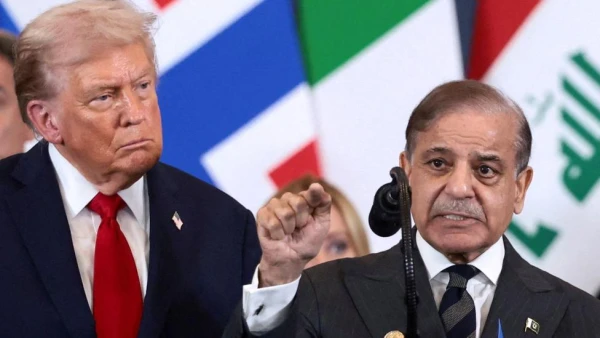
In a delicate diplomatic maneuver, Pakistan has emerged as the unlikely mediator in securing a fragile two-week ceasefire between the United States and Iran, according to sources close to the negotiations.
Speaking anonymously to reporters, a Pakistani official revealed that talks continued "at pace" in the hours leading up to the announcement, with Islamabad operating as a critical intermediary between the two adversaries. The negotiations were conducted by "a very small circle" of officials, with the mood described as "sombre and serious but still hopeful that a cessation of hostilities will be the outcome."
Pakistan's unique position—maintaining historic ties with Iran while enjoying a working relationship with the United States—proved crucial in the diplomatic effort. The country shares a border with Iran and regularly refers to its "brotherly" relationship with Tehran, while also maintaining military cooperation with Washington.
"We are still being very circumspect," the Pakistani source cautioned, noting there was "continued fragility" to the situation. "There is still no trust between the two sides, with strongly entrenched positions."
The breakthrough came after midnight in Pakistan, when Prime Minister Shehbaz Sharif announced on social media that "diplomatic efforts… are progressing steadily, strongly and powerfully with the potential to lead to substantive results in near future." He reportedly asked President Trump to extend the deadline for two weeks and for Iran to open the Strait of Hormuz for the same period.
Just before 5:00 AM local time, the Prime Minister confirmed that a ceasefire had been agreed and invited both sides to meet in Islamabad on Friday, April 10 to "further negotiate for a conclusive agreement."
The path to this temporary truce was far from smooth. Pakistan's Foreign Minister Ishaq Dar told parliament that until recently, "we were very optimistic that things are moving in a positive direction," before Israel launched an attack on Iran and Iran retaliated against Saudi Arabia.
Field Marshall Asim Munir, head of Pakistan's armed forces, offered even stronger criticism, telling military officials that the attack on Saudi Arabia "spoils sincere efforts to resolve the conflict through peaceful means." This represented some of the strongest language Pakistan has directed toward Iran since the conflict began.
Analysts suggest Pakistan's defense pact with Saudi Arabia—though not yet invoked—adds significant pressure on Tehran to consider diplomatic solutions. While the ceasefire represents a diplomatic victory for Islamabad, the fundamental question remains: what can these deeply divided sides actually agree upon when they meet at the negotiating table?